Topic Background


Crypto GEMs 📈🚀
Crypto Newbie
03-21 18:56
🚨 A must-see for all Bitcoin traders!
A 2-minute macro chart video proves we are repeating the 2020 bull market:
ISM PMI expansion → RSI undervalued → Fed liquidity surge → TGA funds decrease → Russell 2000 index breakout → Bitcoin surge.
The same script is playing out.
Thanks @Realcoinforge
$BTC is hampered by uncertainty, but has proven reliable.
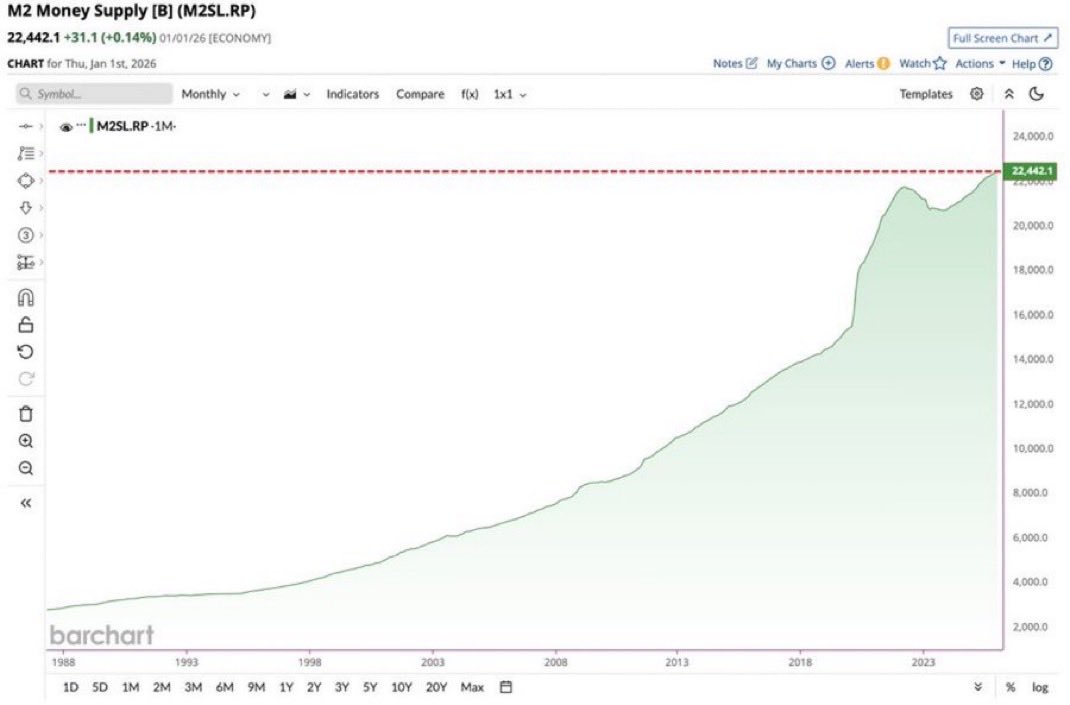
Gold has peaked and is falling rapidly. The biggest catch-up in Bitcoin's history is about to begin.
Don't miss it! 🔥


43

386

43


Crypto GEMs 📈🚀
Crypto Newbie
03-09 22:25
🚨 This guy never misses!
The signals for Bitcoin bottoming out are back!
Gold has peaked, and the ISM index has entered expansion again.
This is exactly the same pattern that preceded the Bitcoin surges of 2016 and 2020.
We haven't seen this pattern for six years, but now it's back.
Many traders regret not buying in during 2016 and 2020.
Bitcoin is giving you another chance.
Seize the opportunity, don't miss it.
Don't miss it again.
#Bitcoin #Cryptocurrency
27
455
44

Leek Brothers 👬² 🧪
Crypto Newbie
03-06 09:41
📈The future of Bitcoin is unsettling!
Recently, Saylor warned the Bitcoin community: How would you feel if Bitcoin surged to $10 million tomorrow?
Think about what that means, and what consequences this market frenzy would have.
Do you see such a surge as an opportunity or a risk?
49
430
46


Analyst Shu Qin
Crypto Newbie
03-03 18:28
A massive crash! Bitcoin plunged 4%, and the South Korean stock market crashed nearly 10%. Will it continue to fall? Let's take a look.
1. This collective plunge was caused by the flash crashes of the South Korean stock market and major suppliers of Nvidia, Samsung and SK Hynix. Bitcoin also suffered, falling along with them. So what exactly happened? Did the AI bubble suddenly burst?
2. Actually, neither. The main negative factor is Trump's radical move to redeploy the THAAD and Patriot air defense systems, originally deployed in South Korea, to the Middle East. South Korea lost its protective umbrella, and North Korea now possesses nuclear weapons. No wonder the South Korean stock market crashed like that.
3. This also indirectly proves that the US is facing a shortage of overseas military equipment, requiring the mobilization of equipment from such an important location as South Korea. The current conflict with Iran may exceed expectations, and oil prices have already surged by 10%.
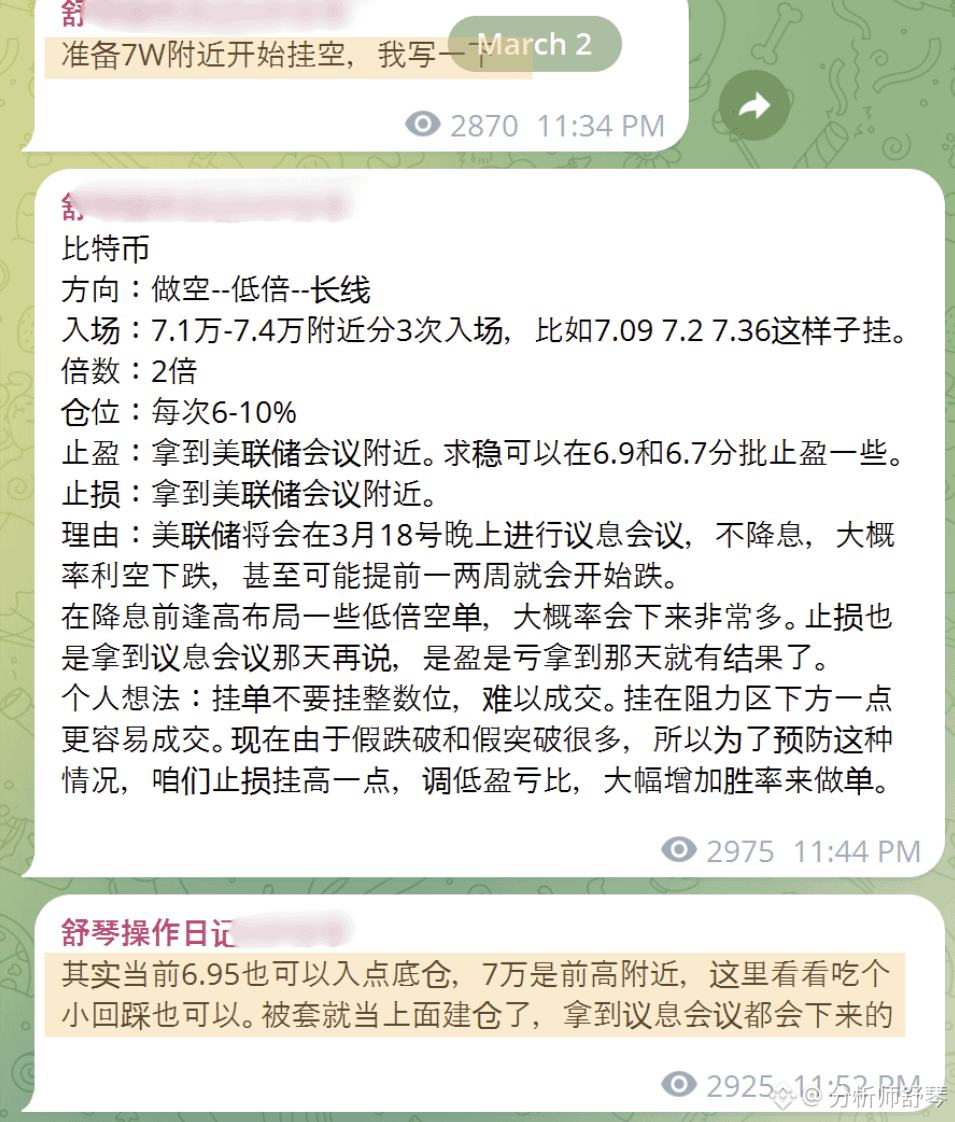
4. So, is it a good time to go long on $BTC? Currently, it seems there is some support around 6.57. If the price rebounds, there's a good chance around this level. Those interested can try it. The most reliable support level is definitely around the previous low of 6.3. We've bought in here several times, and each time we've profited handsomely.
5. Last night, when Bitcoin surged, Shuqin advised everyone to short it in the video, because a pullback to the previous high of 70,000 was expected. However, this pullback was quite significant. Originally, we just wanted to make a small profit, but now it looks like we've made a huge profit. These operations were all real-time; we acted as soon as there was market movement, and the results were immediate.
20
398
27