比特币战略储备
比特币战略储备
Follow Topic
52.47K Views
3 Discussions
Topic Background
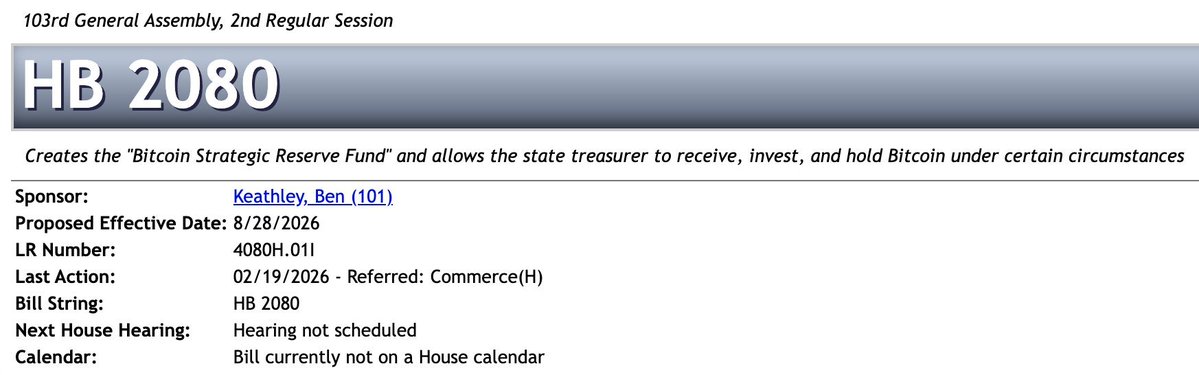
德克萨斯州的比特币储备计画可能改变金融格局,这是否代表着比特币将被更多国家视为战略资产?该法案会对全球加密市场带来哪些长期影响?
FinanceRun
FinanceRun
Crypto Newbie
03-04 13:23
Former Trump Crypto Advisor: Government Can't Just "Like" Bitcoin; US Needs Real Action Recently, David Bailey, a former crypto advisor to the Trump administration, stated at the New York Bitcoin Investors Week conference that the US government's support for Bitcoin cannot remain merely lip service; it must be translated into concrete action. Baileley bluntly stated that Trump repeatedly expressed support for Bitcoin and the crypto industry during his campaign and signed an executive order in March 2025 to establish a strategic Bitcoin reserve. However, a year later, the US government has only accumulated Bitcoin through law enforcement seizures and has never actively increased its holdings. He bluntly stated, "We don't even know how much Bitcoin the government actually holds." According to data from Arkham Research, the US government currently holds approximately 328,400 Bitcoins, worth approximately $22.22 billion, solely through law enforcement seizures. Baileley bluntly stated: Trump was the first politician to publicly support the globalization of Bitcoin, but mere attitude is not enough to push Bitcoin to $1 million. “Liking Bitcoin is useless; real political capital must be invested to promote it,” he emphasized. “Without paying the political cost and implementing relevant mechanisms, the outcome will not change.” However, Bailey also acknowledged that Bitcoin would eventually succeed even without US government action. He even stated that whether it's four, ten, or twenty years from now, we will eventually have a government that adapts to the rules governing Bitcoin's development. Therefore, the key to achieving sustained progress lies in expanding the Bitcoin holder base. As Bailey said, “We need more voters to hold Bitcoin every year; this is an inevitable trend.” In addition to strategic Bitcoin reserves, Trump's recent call for “the US to complete market structure legislation as soon as possible” has also focused market attention on the legislative progress of the Clarity Act. #BitcoinStrategicReserve

Former Trump Crypto Advisor: Government Can't Just "Like" Bitcoin; US Needs Real Action

Recently, David Bailey, a former crypto advisor to the Trump administration, stated at the New York Bitcoin Investors Week conference that the US government's support for Bitcoin cannot remain merely lip service; it must be translated into concrete action.

Baileley bluntly stated that Trump repeatedly expressed support for Bitcoin and the crypto industry during his campaign and signed an executive order in March 2025 to establish a strategic Bitcoin reserve.

However, a year later, the US government has only accumulated Bitcoin through law enforcement seizures and has never actively increased its holdings. He bluntly stated, "We don't even know how much Bitcoin the government actually holds."

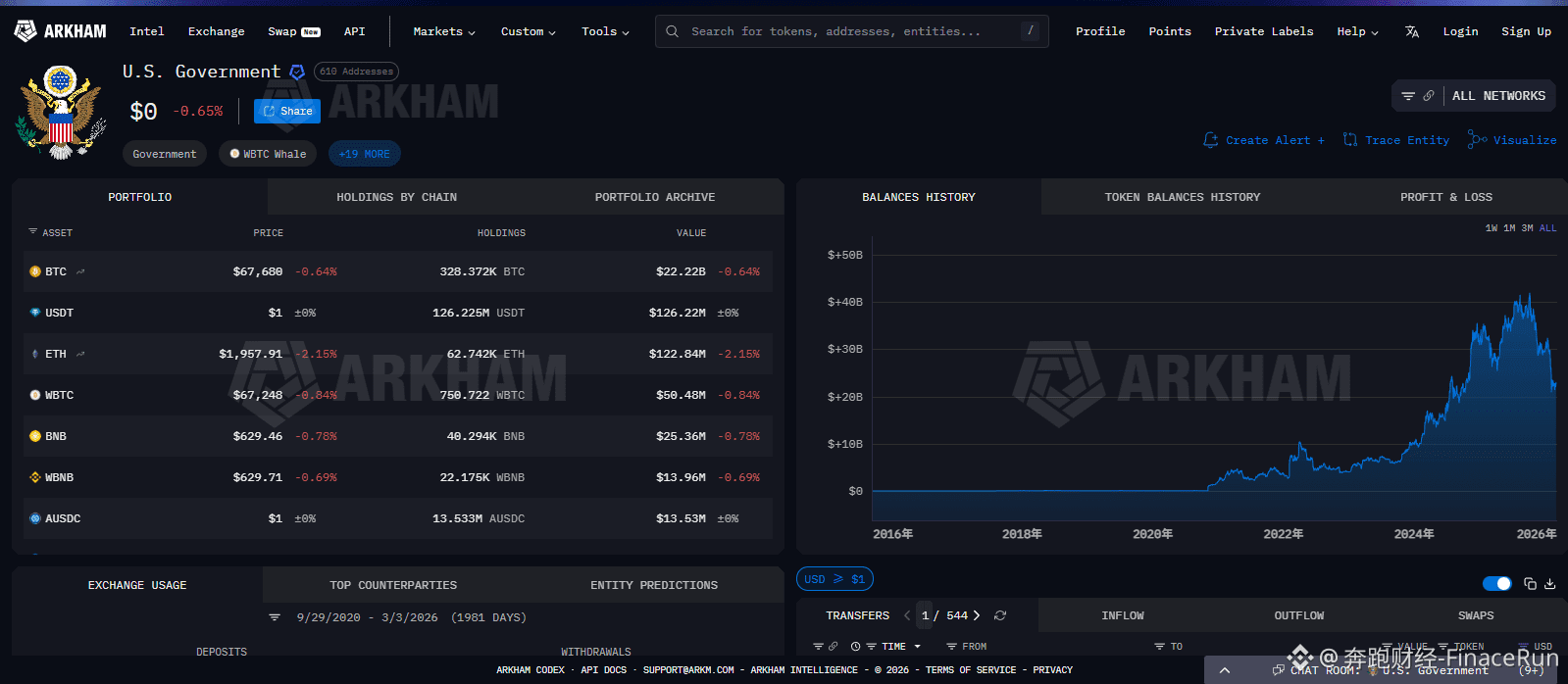
According to data from Arkham Research, the US government currently holds approximately 328,400 Bitcoins, worth approximately $22.22 billion, solely through law enforcement seizures.

Baileley bluntly stated: Trump was the first politician to publicly support the globalization of Bitcoin, but mere attitude is not enough to push Bitcoin to $1 million.

“Liking Bitcoin is useless; real political capital must be invested to promote it,” he emphasized. “Without paying the political cost and implementing relevant mechanisms, the outcome will not change.”

However, Bailey also acknowledged that Bitcoin would eventually succeed even without US government action. He even stated that whether it's four, ten, or twenty years from now, we will eventually have a government that adapts to the rules governing Bitcoin's development.

Therefore, the key to achieving sustained progress lies in expanding the Bitcoin holder base. As Bailey said, “We need more voters to hold Bitcoin every year; this is an inevitable trend.”

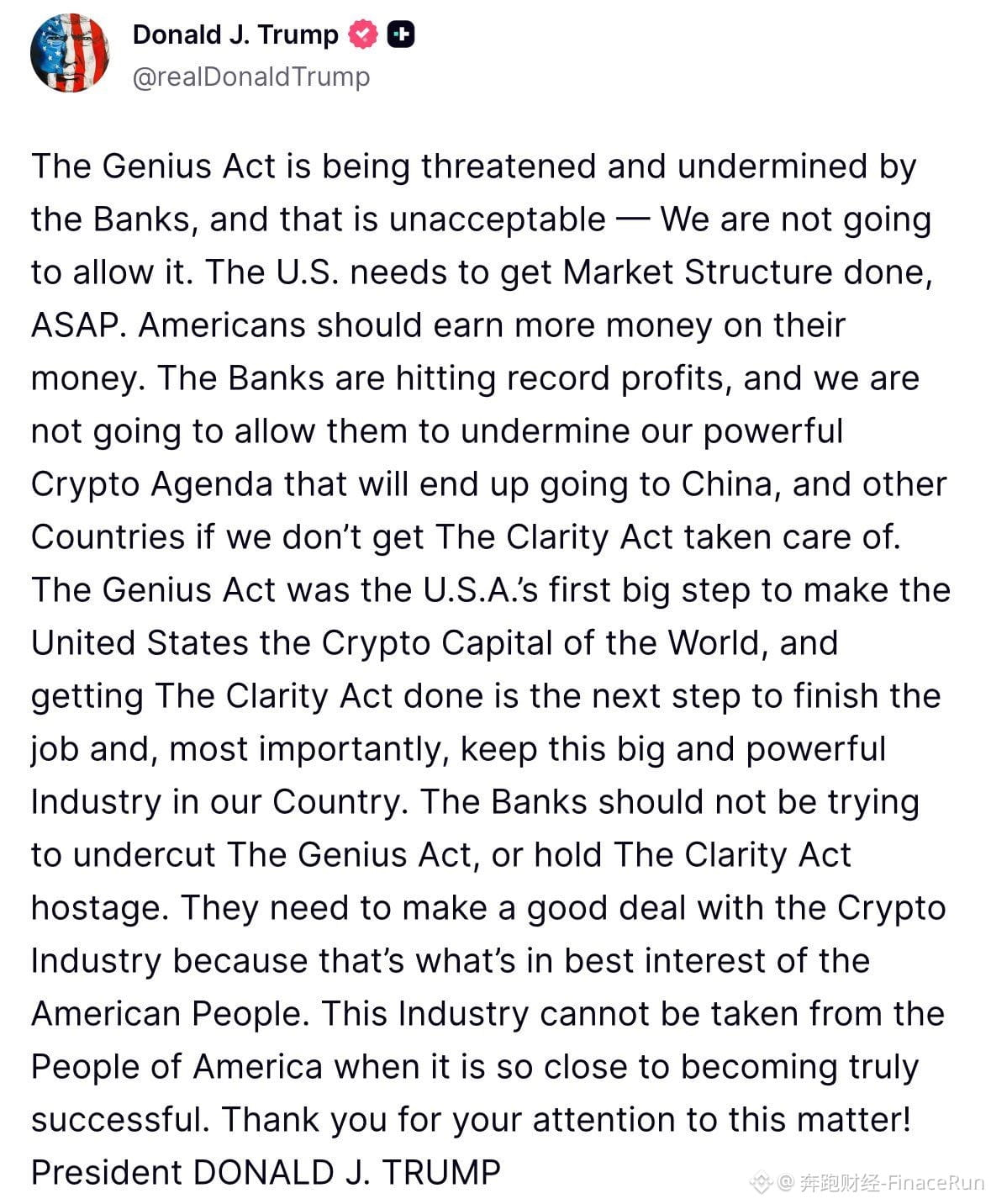
In addition to strategic Bitcoin reserves, Trump's recent call for “the US to complete market structure legislation as soon as possible” has also focused market attention on the legislative progress of the Clarity Act.

#BitcoinStrategicReserveFormer Trump Crypto Advisor: Government Can't Just "Like" Bitcoin; US Needs Real Action

Recently, David Bailey, a former crypto advisor to the Trump administration, stated at the New York Bitcoin Investors Week conference that the US government's support for Bitcoin cannot remain merely lip service; it must be translated into concrete action.

Baileley bluntly stated that Trump repeatedly expressed support for Bitcoin and the crypto industry during his campaign and signed an executive order in March 2025 to establish a strategic Bitcoin reserve.

However, a year later, the US government has only accumulated Bitcoin through law enforcement seizures and has never actively increased its holdings. He bluntly stated, "We don't even know how much Bitcoin the government actually holds."

According to data from Arkham Research, the US government currently holds approximately 328,400 Bitcoins, worth approximately $22.22 billion, solely through law enforcement seizures.

Baileley bluntly stated: Trump was the first politician to publicly support the globalization of Bitcoin, but mere attitude is not enough to push Bitcoin to $1 million.

“Liking Bitcoin is useless; real political capital must be invested to promote it,” he emphasized. “Without paying the political cost and implementing relevant mechanisms, the outcome will not change.”

However, Bailey also acknowledged that Bitcoin would eventually succeed even without US government action. He even stated that whether it's four, ten, or twenty years from now, we will eventually have a government that adapts to the rules governing Bitcoin's development.

Therefore, the key to achieving sustained progress lies in expanding the Bitcoin holder base. As Bailey said, “We need more voters to hold Bitcoin every year; this is an inevitable trend.”

In addition to strategic Bitcoin reserves, Trump's recent call for “the US to complete market structure legislation as soon as possible” has also focused market attention on the legislative progress of the Clarity Act.

#BitcoinStrategicReserveFormer Trump Crypto Advisor: Government Can't Just "Like" Bitcoin; US Needs Real Action

Recently, David Bailey, a former crypto advisor to the Trump administration, stated at the New York Bitcoin Investors Week conference that the US government's support for Bitcoin cannot remain merely lip service; it must be translated into concrete action.

Baileley bluntly stated that Trump repeatedly expressed support for Bitcoin and the crypto industry during his campaign and signed an executive order in March 2025 to establish a strategic Bitcoin reserve.

However, a year later, the US government has only accumulated Bitcoin through law enforcement seizures and has never actively increased its holdings. He bluntly stated, "We don't even know how much Bitcoin the government actually holds."

According to data from Arkham Research, the US government currently holds approximately 328,400 Bitcoins, worth approximately $22.22 billion, solely through law enforcement seizures.

Baileley bluntly stated: Trump was the first politician to publicly support the globalization of Bitcoin, but mere attitude is not enough to push Bitcoin to $1 million.

“Liking Bitcoin is useless; real political capital must be invested to promote it,” he emphasized. “Without paying the political cost and implementing relevant mechanisms, the outcome will not change.”

However, Bailey also acknowledged that Bitcoin would eventually succeed even without US government action. He even stated that whether it's four, ten, or twenty years from now, we will eventually have a government that adapts to the rules governing Bitcoin's development.

Therefore, the key to achieving sustained progress lies in expanding the Bitcoin holder base. As Bailey said, “We need more voters to hold Bitcoin every year; this is an inevitable trend.”

In addition to strategic Bitcoin reserves, Trump's recent call for “the US to complete market structure legislation as soon as possible” has also focused market attention on the legislative progress of the Clarity Act.

#BitcoinStrategicReserve
Jason Chen
Jason Chen
Crypto Newbie
03-04 01:36
Four months later, the US government has again seen a transfer of its Bitcoin holdings, especially given today's heightened market sentiment. With massive tariff refunds and war expenses in Iran looming, concerns are growing that the US might actually sell Bitcoin under such financial pressure. However, the probability of the US government selling Bitcoin remains very low. First, a transfer doesn't necessarily indicate anything; as shown in the chart, transfers have occurred almost monthly. Second, while the US government did sell Bitcoin years ago, these were always through pre-announced judicial auctions and OTC transactions. Finally, the National Strategic Bitcoin Reserve Act, signed last year, explicitly prohibits the government from selling Bitcoin held in the reserve for 20 years—a legally mandated rule. However, there is an "exception." Not all Bitcoin held by the US government has been transferred to the strategic reserve. A portion of seized Bitcoin is still undergoing judicial proceedings. Until a court ruling authorizes its confiscation, it doesn't legally belong to the US government and is temporarily held in escrow. Ultimately, depending on the court's ruling, if it is nationalized, it will be transferred to the strategic reserve and locked for 20 years, or it will be returned to the victims. Therefore, according to the law, most of the Bitcoin held in the US government's strategic reserves cannot be sold within 20 years, and the small portion of Bitcoin temporarily held in custody will not be sold directly; at most, it will only be returned to the victims. Don't panic 😥 Additional information: The executive order signed by the White House regarding the strategic Bitcoin reserve stipulates an indefinite ban on sale without additional conditions. The 20-year ban is related to the proposed Bitcoin reserve bill. However, both the executive order and the bill stipulate a long-term ban on sale. Therefore, Bitcoin already in the reserves cannot be moved according to regulations; at most, only Bitcoins seized but not yet in the reserves will be returned to the victims.

Four months later, the US government has again seen a transfer of its Bitcoin holdings, especially given today's heightened market sentiment. With massive tariff refunds and war expenses in Iran looming, concerns are growing that the US might actually sell Bitcoin under such financial pressure. However, the probability of the US government selling Bitcoin remains very low. First, a transfer doesn't necessarily indicate anything; as shown in the chart, transfers have occurred almost monthly. Second, while the US government did sell Bitcoin years ago, these were always through pre-announced judicial auctions and OTC transactions. Finally, the National Strategic Bitcoin Reserve Act, signed last year, explicitly prohibits the government from selling Bitcoin held in the reserve for 20 years—a legally mandated rule.

However, there is an "exception." Not all Bitcoin held by the US government has been transferred to the strategic reserve. A portion of seized Bitcoin is still undergoing judicial proceedings. Until a court ruling authorizes its confiscation, it doesn't legally belong to the US government and is temporarily held in escrow. Ultimately, depending on the court's ruling, if it is nationalized, it will be transferred to the strategic reserve and locked for 20 years, or it will be returned to the victims.

Therefore, according to the law, most of the Bitcoin held in the US government's strategic reserves cannot be sold within 20 years, and the small portion of Bitcoin temporarily held in custody will not be sold directly; at most, it will only be returned to the victims.

Don't panic 😥

Additional information: The executive order signed by the White House regarding the strategic Bitcoin reserve stipulates an indefinite ban on sale without additional conditions. The 20-year ban is related to the proposed Bitcoin reserve bill. However, both the executive order and the bill stipulate a long-term ban on sale. Therefore, Bitcoin already in the reserves cannot be moved according to regulations; at most, only Bitcoins seized but not yet in the reserves will be returned to the victims.