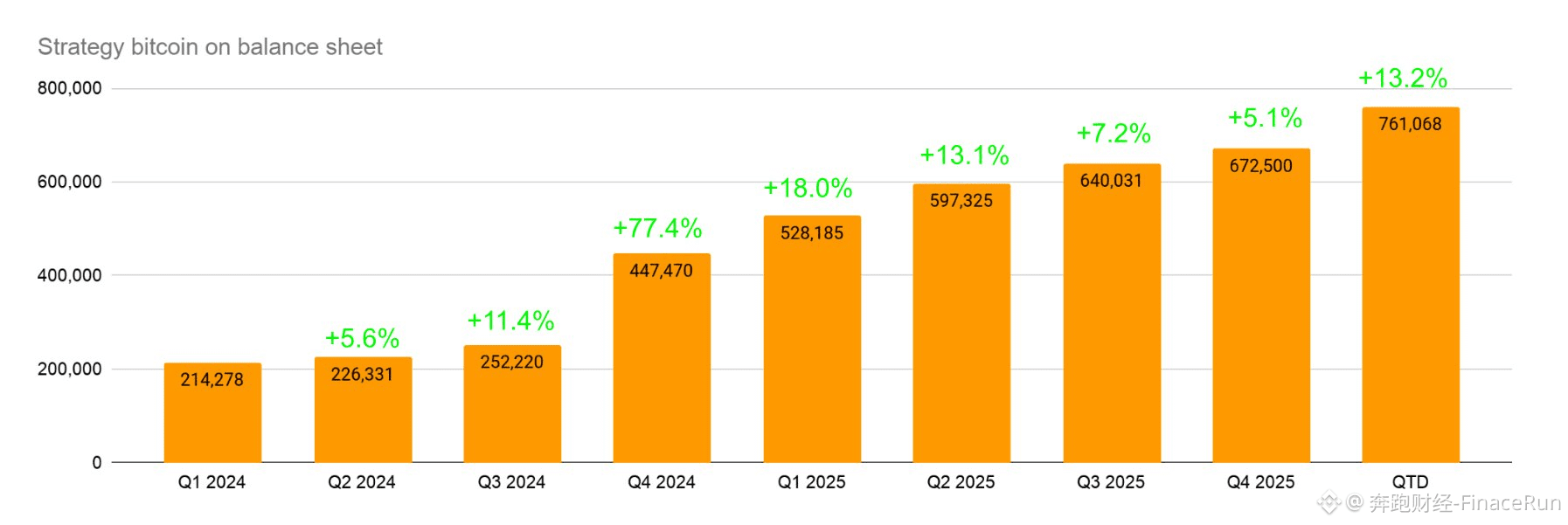
Strategy bought up seven weeks' worth of BTC mining output last week, potentially reshaping the four-year cycle pattern with "corporate demand."
According to Cointelegraph, Strategy, founded by Michael Saylor, is accelerating its Bitcoin purchases through its preferred stock, SRC, potentially disrupting the market cycle narrative built around Bitcoin's four-year halving.
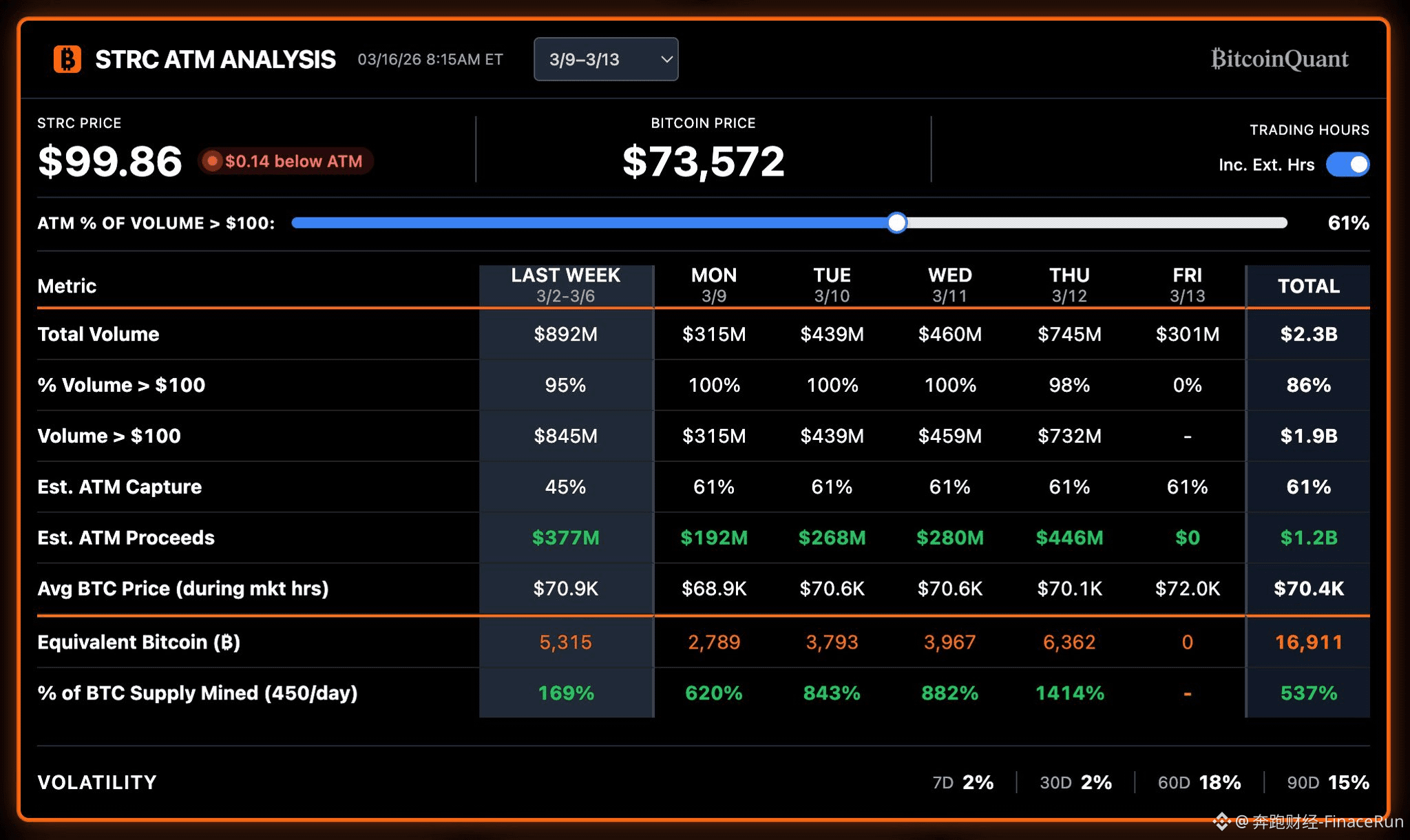
Data shows that in just one week in mid-March, the company purchased 22,337 BTC, equivalent to approximately seven weeks' worth of global miners' output. The previous week, its purchase of 17,994 BTC represented five to six weeks' worth of new supply.
More remarkably, at peak trading times, daily purchases of BTC related to SRC exceeded 4,000 BTC, almost equivalent to nine days' average mining output. This "buying faster than mining" pace may be reshaping the Bitcoin supply and demand landscape.
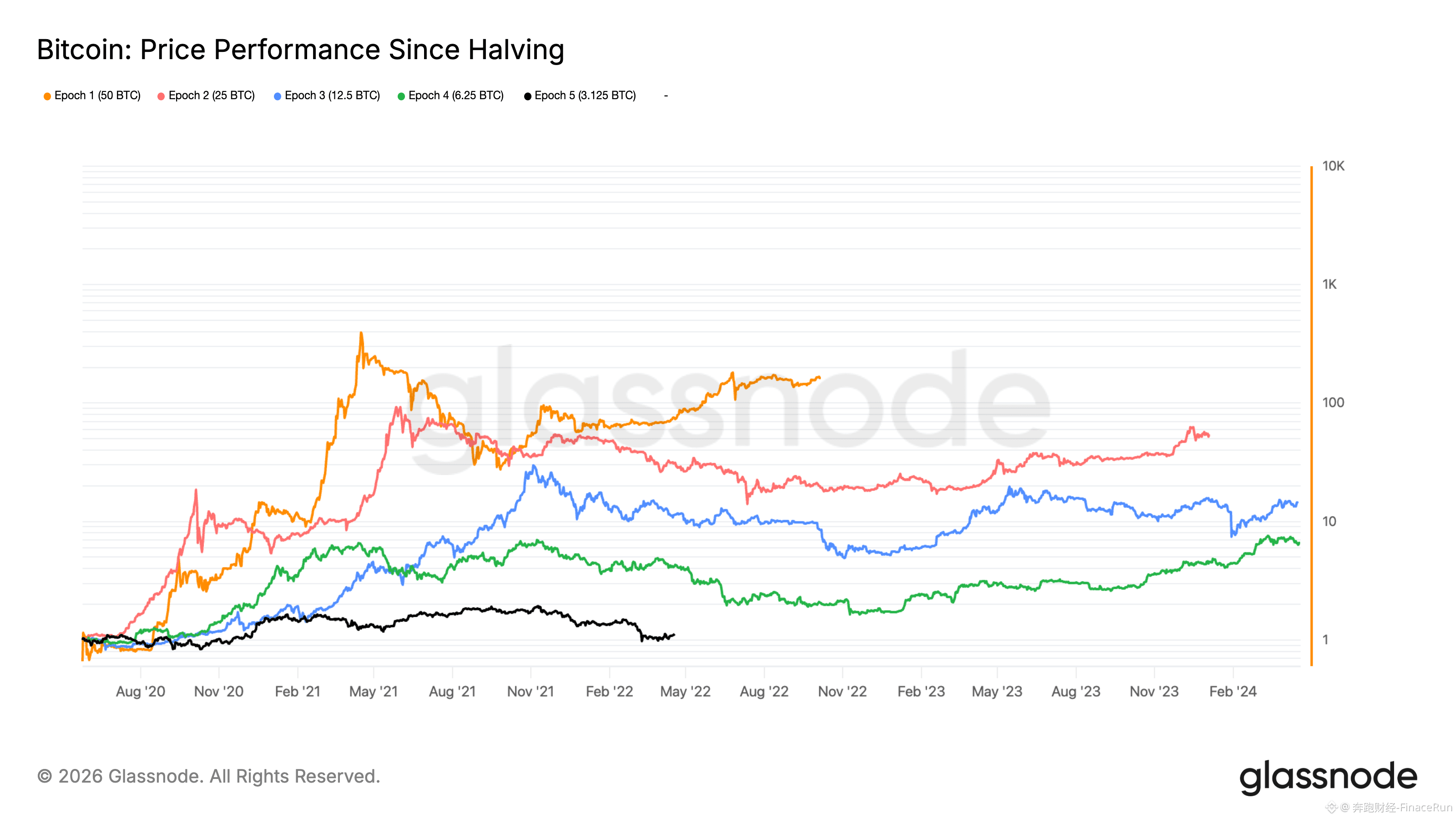
Traditionally, the four-year cycle of Bitcoin halvings drives bull markets by reducing supply. However, if corporate purchasing power continues to exceed the total new supply across the network, the supply shock triggered by the halving could accelerate the start of a new bull market.
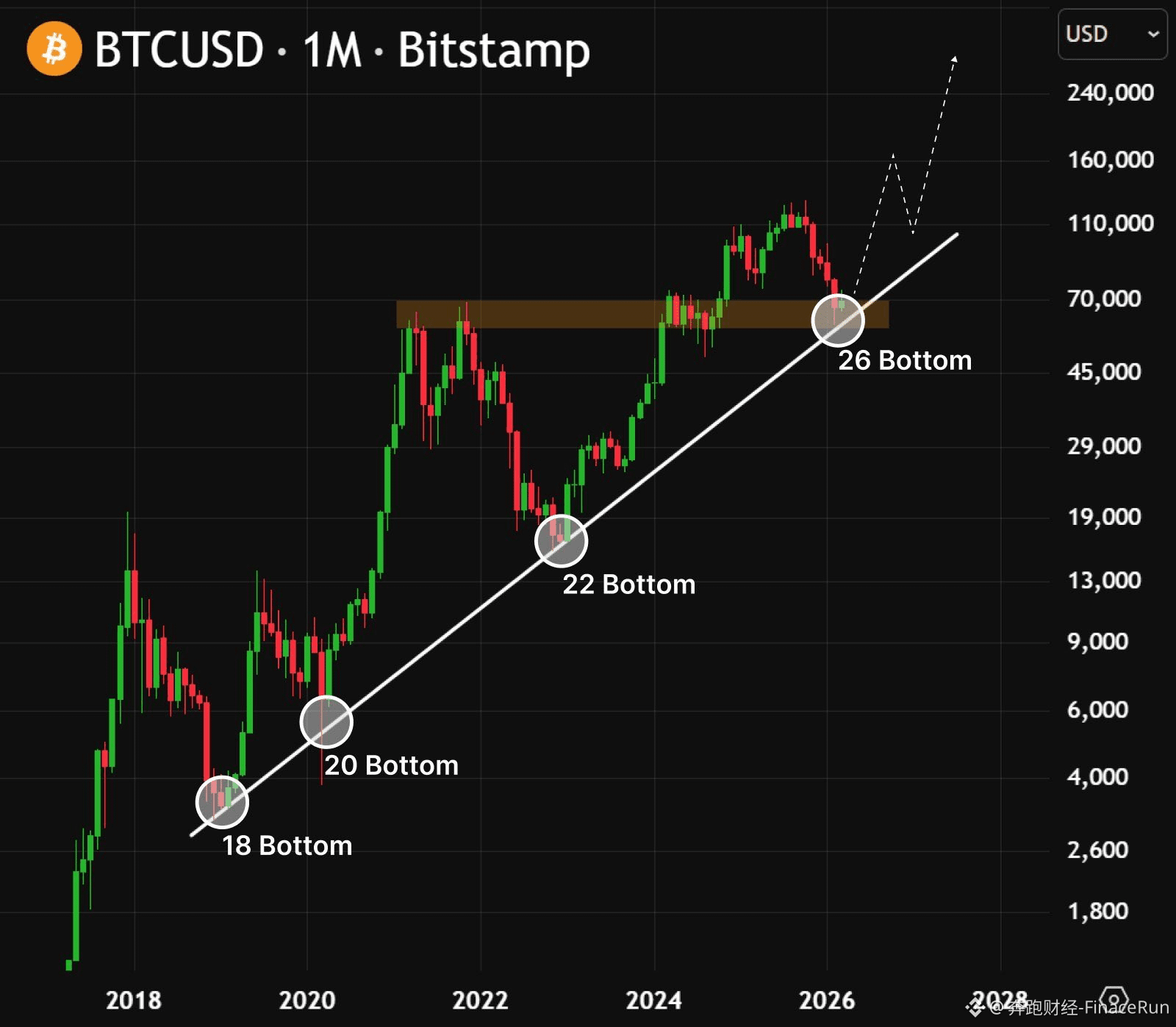
From a technical perspective, Bitcoin is currently retesting a six-year-old upward trend line. This line is crucial; in 2018, 2020, and 2022, Bitcoin's price repeatedly touched it, forming key support at the bottom of its cycles. After completing a period of bottoming out, a new market trend would begin.
If Bitcoin's price can stabilize again at this trend line, coupled with the new demand injection from STRC, the market is highly likely to usher in a new upward trend. Historically, similar situations have seen gains as high as 450%. If this happens again, Bitcoin's price will be pushed above $400,000.
The analysis concludes that, against the backdrop of current macroeconomic pressures, this change in demand structure driven by businesses may be the turning point the market has been eagerly awaiting.
Overall, Bitcoin's future price movements may no longer be solely determined by the four-yearly code reset, but rather by the expansion ambitions of corporate balance sheets. For investors, understanding Wall Street's purchasing power may be more important than focusing on block rewards.
#Strategy