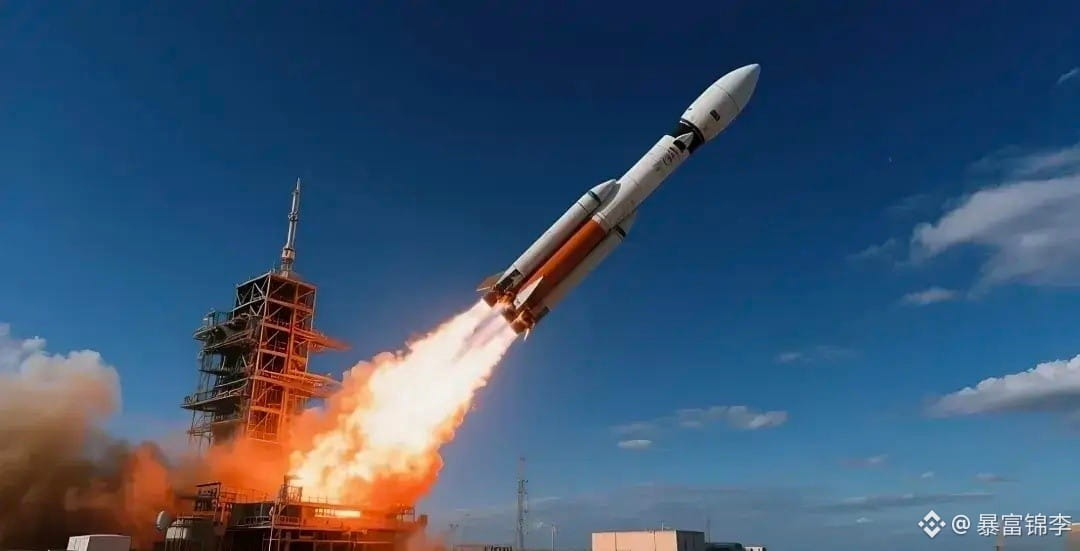
Iran's missiles are almost depleted.
It's not that they run out of stockpiles, it's that they've run out of launch platforms.
After four days of bombing by the US and Israel, Iran's missile launches dropped from 350 to 50. This isn't a tactical adjustment; their capability has been destroyed.
First, their stockpiles are almost gone.
Before the war, Iran had approximately 1700 to 2100 ballistic missiles. Of these, about 1000 to 1200 could reach Israeli and US bases.
In four days, 695 ballistic missiles were launched. At this rate, the stockpile will last at most a week.
Second, half of the launch vehicles have been destroyed.
The Israeli military says it has destroyed approximately 300 Iranian missile launchers. Iran has a total of 400 to 600 mobile launch platforms. Half are gone.
Having missiles but no launch vehicles is useless.
Third, the production lines have also been destroyed.
Iranian missile factories normally have a monthly production capacity of 150 to 200 missiles, which can expand to 450 during wartime.
However, US and Israeli B-2 bombers specifically targeted underground missile factories. Satellite photos show that multiple missile facilities were destroyed.
Even if they were produced, they couldn't be transported. The US and Israel control the air, making supply lines easy targets.
Fourth, foreign aid is just a pie in the sky.
Some say Russia provided aid. A check revealed a €500 million contract signed in December 2025 for 500 "Willow" portable air defense missile systems, with delivery planned between 2027 and 2029.
This is too little, too late. These aren't ballistic missiles; they're air defense missiles. They're useless for supplementing offensive capabilities.
The conclusion is simple:
Iran's missile counterattack is nearing its end. Stockpiles are depleted, launch platforms are destroyed, production can't keep up, and foreign aid is nowhere to be seen.
In the next few days, if the US and Israel continue bombing the remaining launchers and factories, Iran's missile threat will essentially be eliminated.
This war is a contest of industrial capacity and systemic conflict. Iran's resources cannot withstand such high-intensity consumption.
#BTC #ETH