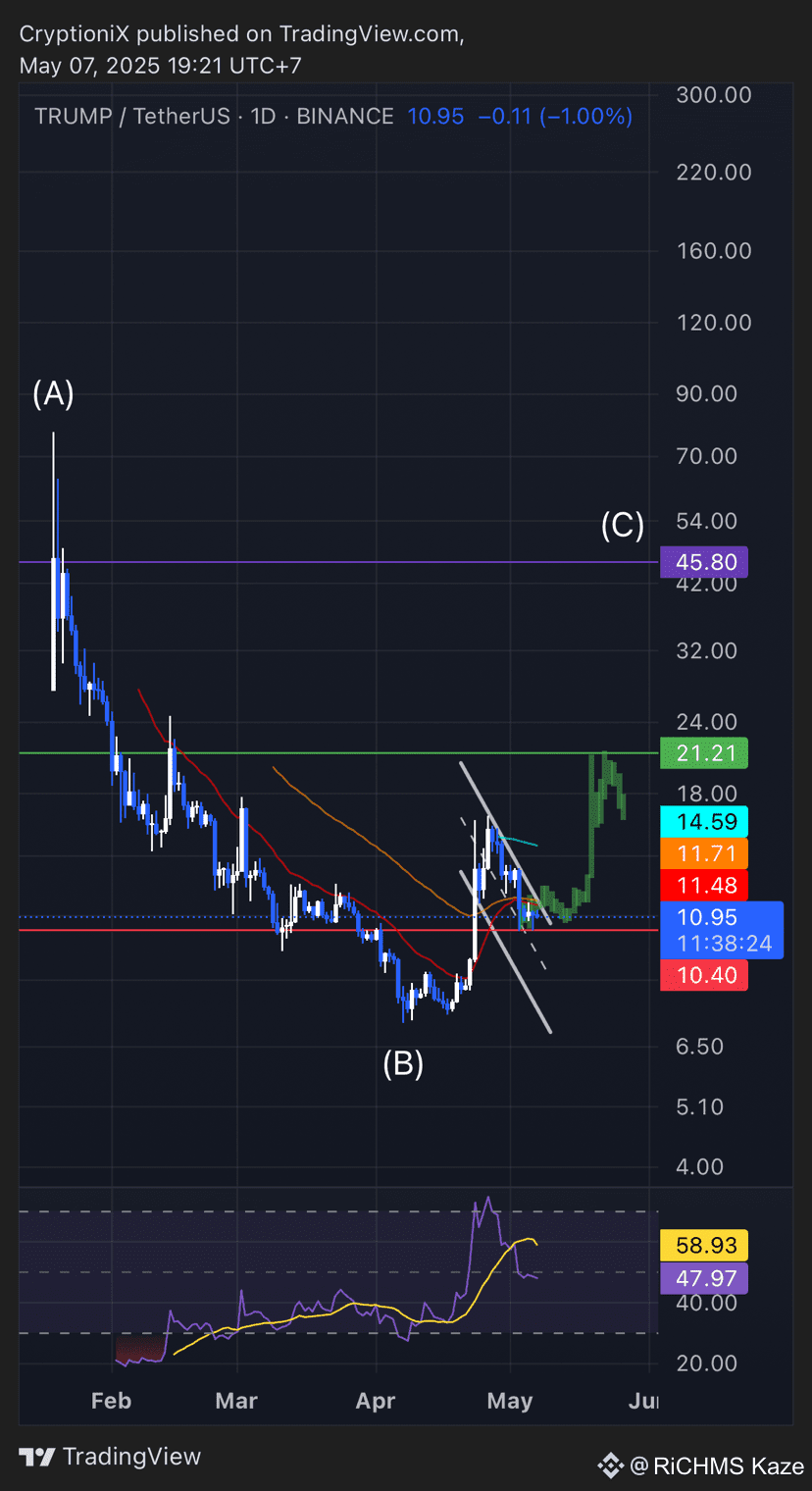
At 3 AM, I stared at the charts, my finger hovering over the mouse. My short position at 3033 had been pending for a month, currently at breakeven. The four-hour chart was stuck below the EMA200, the 100-point range between 3050 and 2900 had been consolidating for over a week, like the calm before a storm. I knew the market was about to choose a direction—if the price stabilized above 3040, my month-long bearish strategy would be completely overturned, and I'd have to switch to a 400-point rebound on the weekly chart.
But in that anxious moment of waiting for the direction to be chosen, a deeper thought suddenly surfaced: The candlestick charts, indicators, and breakout points we traders analyze every day are essentially processing "data." But what if this data itself is delayed, manipulated, or comes from unreliable sources? Even the most perfect trading system, built on flawed data, is nothing more than a sandcastle.
This question led me to @APRO-Oracle, which I've been researching recently. Most traders might view oracles as merely a technical component of DeFi's backend, but in my view, they are becoming the "gatekeepers" of data credibility in the crypto world—a role that will become increasingly crucial in the future.
AT, as the native token of the APRO network, derives its core value from the "right to produce and verify credible data." For example, when determining whether an on-chain asset has broken through a key level, traditional methods might rely solely on quotes from one or two exchanges. However, in APRO's architecture, you can access a comprehensive price stream that has been verified in real-time by a decentralized network of nodes—this data integrates signals from CEXs, DEXs, and even OTC markets, and is cleaned by AI models to remove abnormal trading (such as sudden price spikes or fake orders), ultimately outputting a more manipulable "true price." This is equivalent to installing a "data purification and enhancement" filter on your trading system.
Even more critical is APRO's ability to process "unstructured market data." Future market signals will not only come from candlestick charts. A breaking regulatory news item, a whale's on-chain position change, or even a mainstream trader's social media sentiment—how can this chaotic, unstructured information be quickly and reliably transformed into tradable signals? The APRO network, by integrating a Large Language Model (LLM), aims to parse this text, image, and on-chain behavioral data in real time and output verified "signal summaries" for use by smart contracts or trading bots. This essentially gives machines the ability to "understand news and assess its market impact."
Of course, all of this is built on APRO's unique two-layer verification architecture. The first layer (OCMP) is responsible for high-speed data capture and initial processing; the second layer (a verification network based on EigenLayer) acts as a "data jury," reviewing and arbitrating disputed data or anomalous signals. This design essentially embeds a check and balance mechanism into the data supply chain—just like my trading strategy always includes "breakout confirmation" and "stop-loss discipline."
So, as I waited late at night for the 3040 breakout result, it suddenly dawned on me: the competitive advantage in future trading may no longer be just the ability to analyze charts, but rather the ability to acquire and verify high-quality data. @APRO-Oracle and AT are building the infrastructure layer for this new competitive dimension.
Whether this short position ultimately hits the stop-loss or takes off, I clearly see that the second half of trading will be a contest of verifiable truth. And the true alpha may lie hidden within protocols that bring clarity and credibility to a chaotic market.
This article is merely a cross-examination of trading thinking and data infrastructure and does not constitute any investment or trading advice. Market risks are significant; please make independent decisions.
@APRO-Oracle #APRO $AT

Price Converter

- Crypto
- Fiat

USDUnited States Dollar


CNYChinese Yuan

JPYJapanese Yen

HKDHong Kong Dollar

THBThai Baht

GBPBritish Pound

EUREuro

AUDAustralian Dollar

TWDNew Taiwan Dollar

KRWSouth Korean Won

PHPPhilippine Peso

AEDUAE Dirham

CADCanadian Dollar

MYRMalaysian Ringgit

MOPMacanese Pataca

NZDNew Zealand Dollar

CHFSwiss Franc

CZKCzech Koruna

DKKDanish Krone

IDRIndonesian Rupiah

LKRSri Lankan Rupee

NOKNorwegian Krone

QARQatari Riyal

RUBRussian Ruble

SGDSingapore Dollar

SEKSwedish Krona

VNDVietnamese Dong

ZARSouth African Rand
No more data