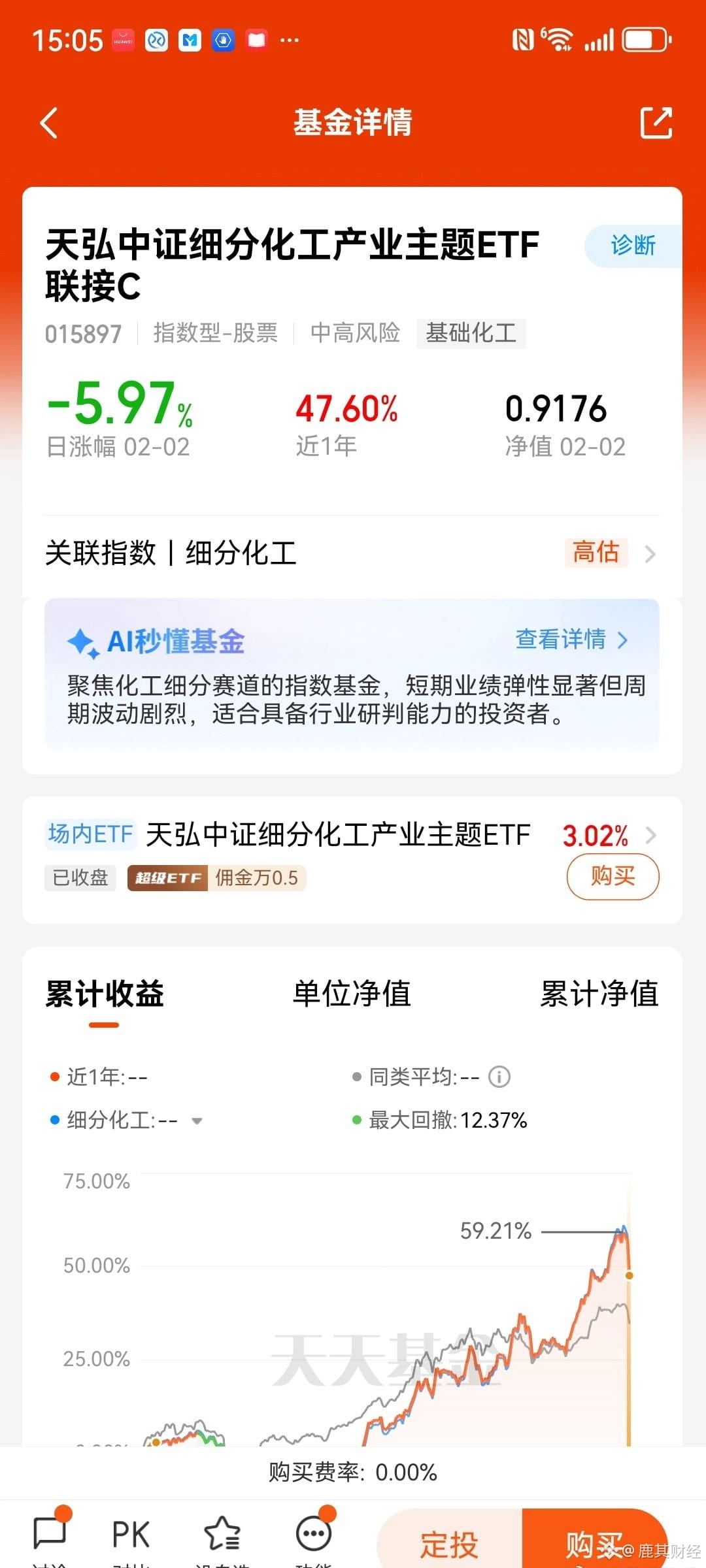
Chemicals Logic: The chemical sector has seen a sharp correction in the past few days, with three consecutive days of decline. The main reason is Trump's formal nomination of Kevin Warsh as the next Federal Reserve Chairman. Warsh has previously advocated for quantitative tightening to control long-term interest rates, leading the market to believe that future monetary policy may not be as loose as before. It's worth noting that the strong commodity price increases since January were largely driven by loose liquidity; now that expectations have changed, a price correction is normal.
However, I believe the logic behind this chemical sector rally shouldn't be solely based on liquidity. The real story lies within the industry itself! After nearly four years of capacity reduction, supply has been largely suppressed, while demand is slowly recovering—this is the fundamental reason for the cyclical reversal. Policy has also been consistently promoting "anti-involution," with significant supply contraction in resource-based industries like steel, building materials, and chemicals, strengthening expectations for a turnaround. On the demand side, the drag from the real estate market is weakening, environmental production restrictions in Europe have led to the exit of some capacity, and there are reports of price increases, bringing new supply. Furthermore, the traditional peak construction season of "March and April" is approaching, and macroeconomic expectations are improving. Therefore, the cyclical reversal in chemical products is the core driver of the sector this year. The liquidity shock is only temporary, and the dip may actually be a buying opportunity. Today, the chemical index has stopped falling and rebounded, with the Chemical 50 ETF rising over 2%. There is also fundamental support, such as the stronger-than-expected price performance of propylene oxide (PO) in January, which wasn't too bad even during the traditionally slow season. The key level to watch next is the 5-day moving average resistance. If it can be strongly broken through, the bullish trend in chemicals is likely to return.