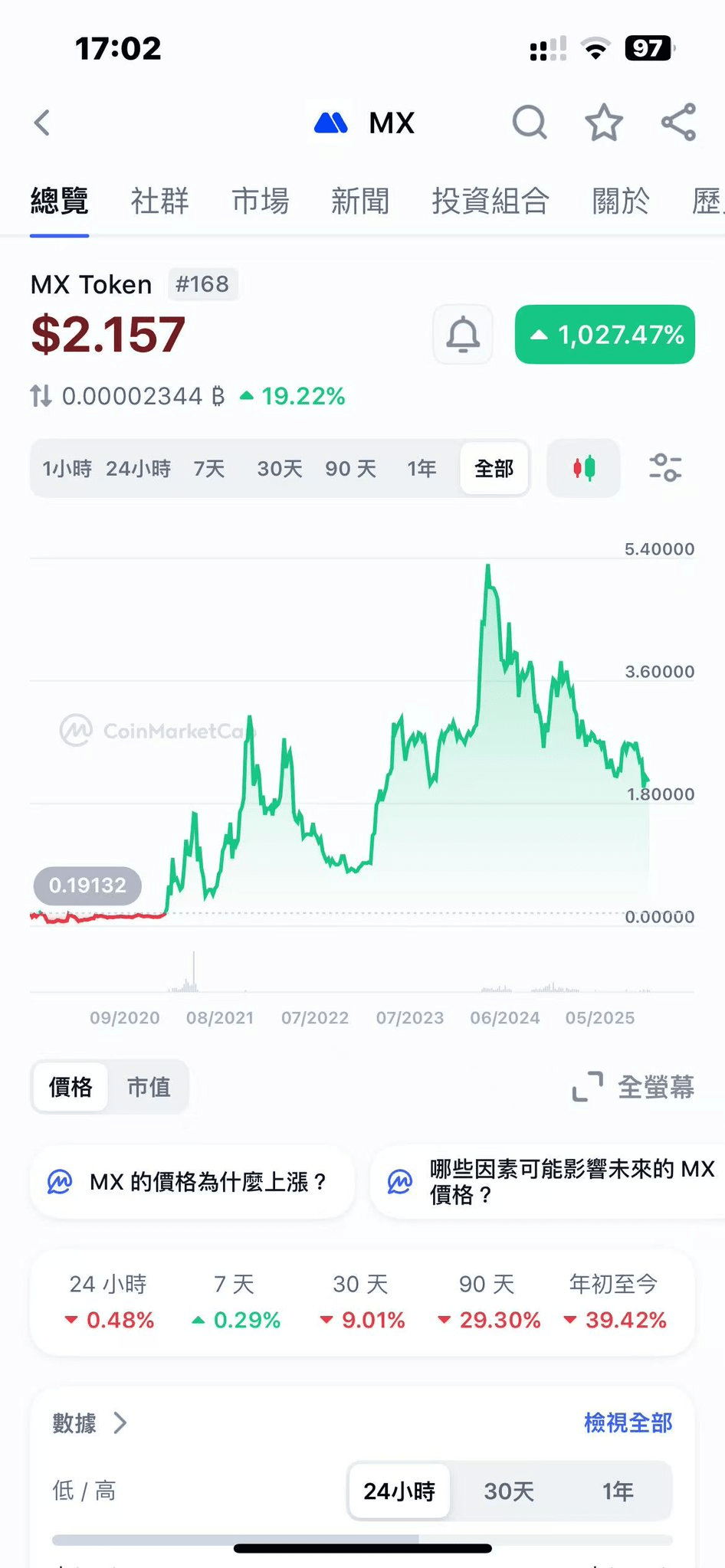
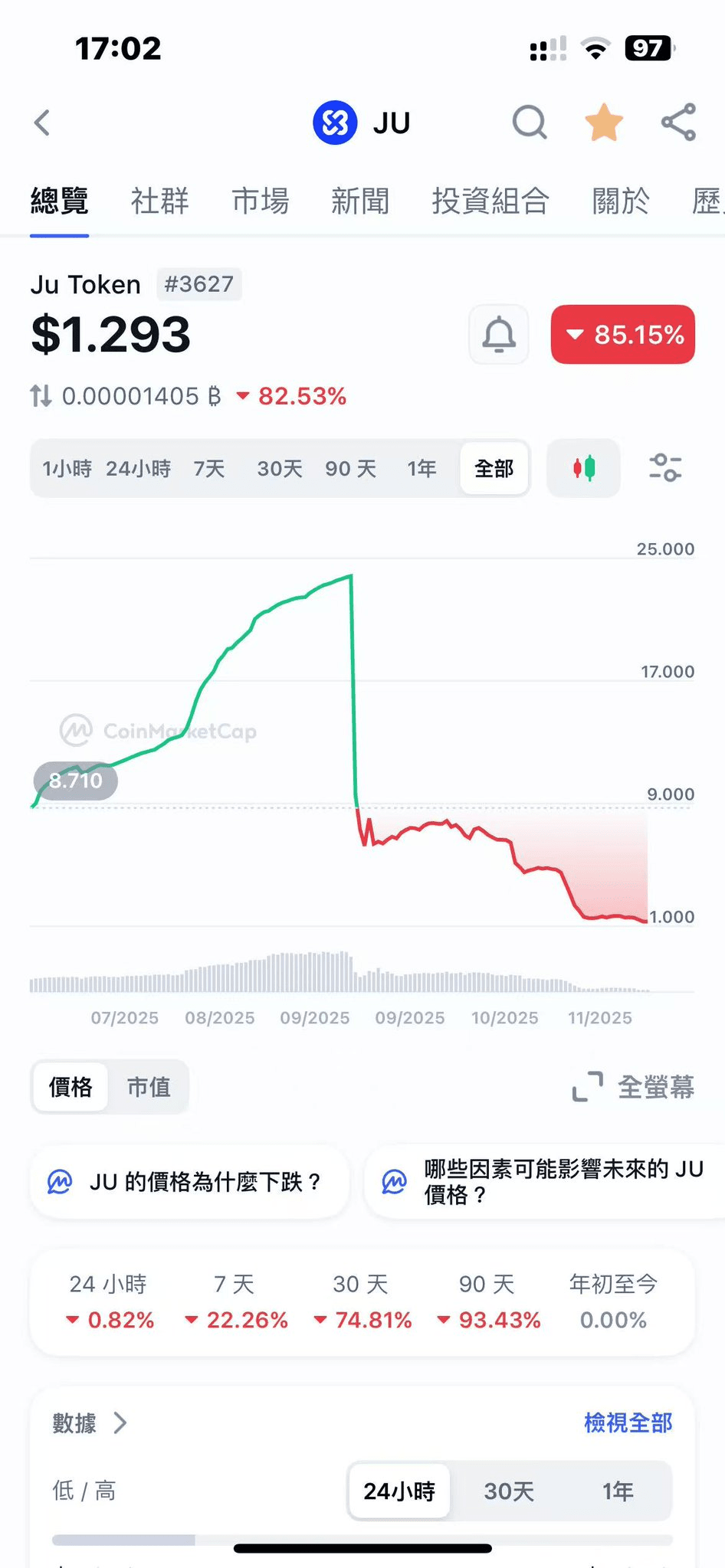
Layoffs at centralized cryptocurrency exchanges are not uncommon.
First came MEXC, then JUCoin, and more exchange layoffs are expected.
The false prosperity brought by a bull market leads to short-term staff expansion, with listing and business development (BD) roles being the hardest hit.
These positions are essentially sales-related; during market downturns, poor performance leads to layoffs, but these layoffs don't significantly impact the exchange's core business.
However, if an exchange begins large-scale layoffs of product managers and technical developers, it's a cause for concern regarding the platform's operational status, potential bankruptcy risks, and the safety of user funds.
Decentralized exchanges (DEXs) like Hyperliquid and ASTER represent a significant leap forward compared to centralized exchanges (CEXs), offering efficiency improvements tens or even hundreds of times greater.
Currently, top DEX teams have fewer than 100 people, while CEXs often have thousands. For example, Hyperliquid's contract trading volume already accounts for 10% of Binance's total, highlighting its low efficiency.
A true story: A friend participated in a JU (Jubi) promotion that reimbursed his airfare and hotel in a Southeast Asian country, then invested $70,000 in JU. He currently only has around $5,000-$7,000 left.