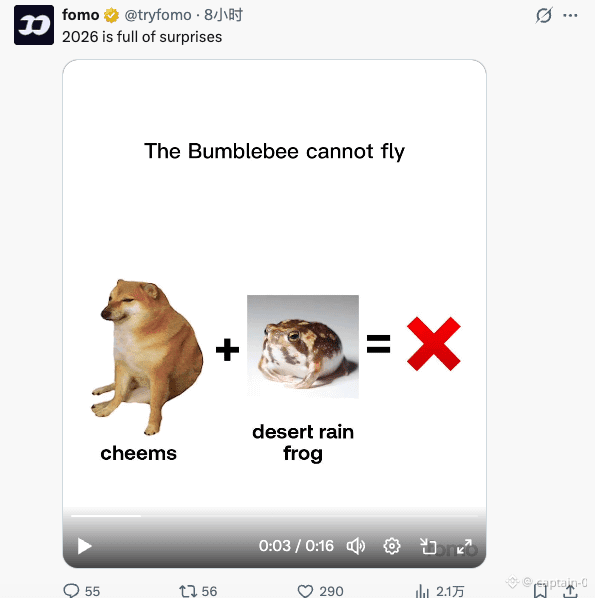
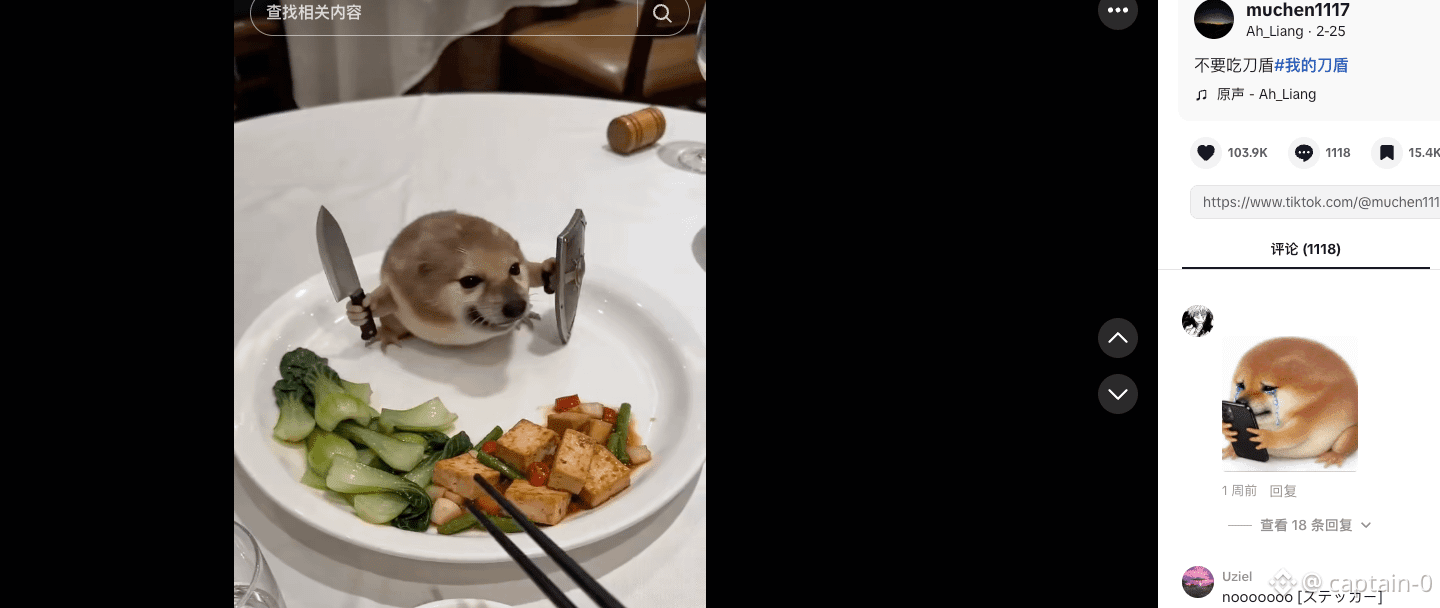
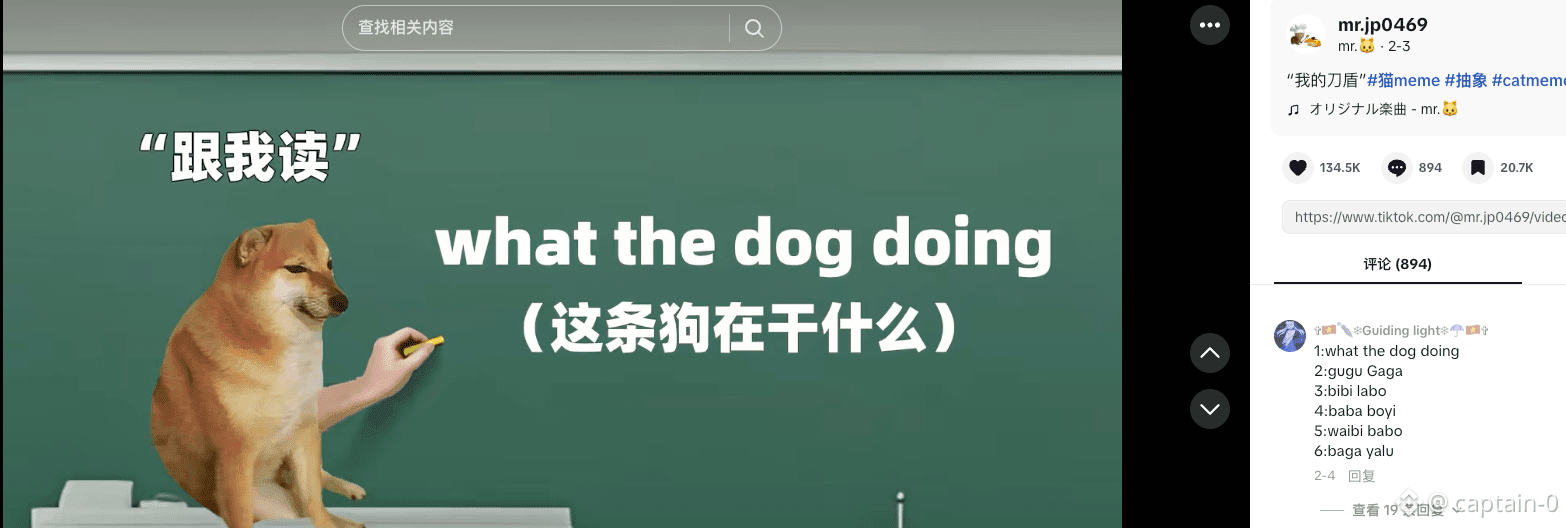
#MySwordAndShield actually originates from the classic foreign meme "What the dog doing?".
Originally used to tease a dog for doing something silly, netizens misheard it as a homophone for "My Sword and Shield," turning it into an abstract meme.
The yellow and white Shiba Inu combined with frog elements creates a very meme-like image. This strange and captivating combination, coupled with the "My Sword and Shield" sound effect, immediately resonates.
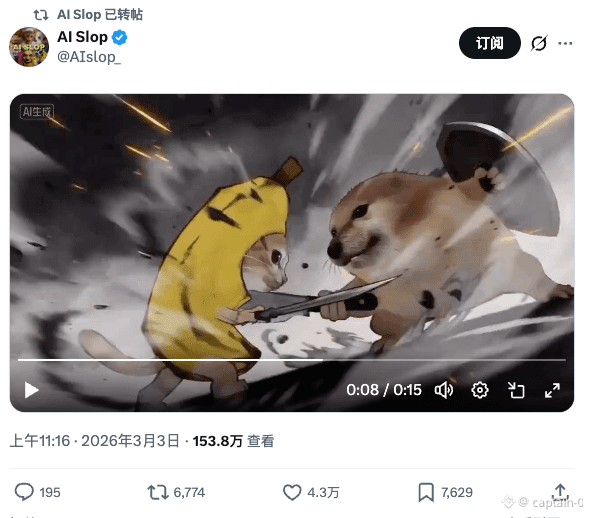
This meme also capitalized on the explosion of AI video generation tools. Many people began using AI to mass-produce various outrageous scenarios, such as Shiba Inus fighting and battling in bizarre settings, and "My Sword and Shield" quickly took over major social media platforms.
It may very well be the first #meme to truly spread on a large scale through AI video.

Price Converter

- Crypto
- Fiat

USDUnited States Dollar


CNYChinese Yuan

JPYJapanese Yen

HKDHong Kong Dollar

THBThai Baht

GBPBritish Pound

EUREuro

AUDAustralian Dollar

TWDNew Taiwan Dollar

KRWSouth Korean Won

PHPPhilippine Peso

AEDUAE Dirham

CADCanadian Dollar

MYRMalaysian Ringgit

MOPMacanese Pataca

NZDNew Zealand Dollar

CHFSwiss Franc

CZKCzech Koruna

DKKDanish Krone

IDRIndonesian Rupiah

LKRSri Lankan Rupee

NOKNorwegian Krone

QARQatari Riyal

RUBRussian Ruble

SGDSingapore Dollar

SEKSwedish Krona

VNDVietnamese Dong

ZARSouth African Rand
No more data