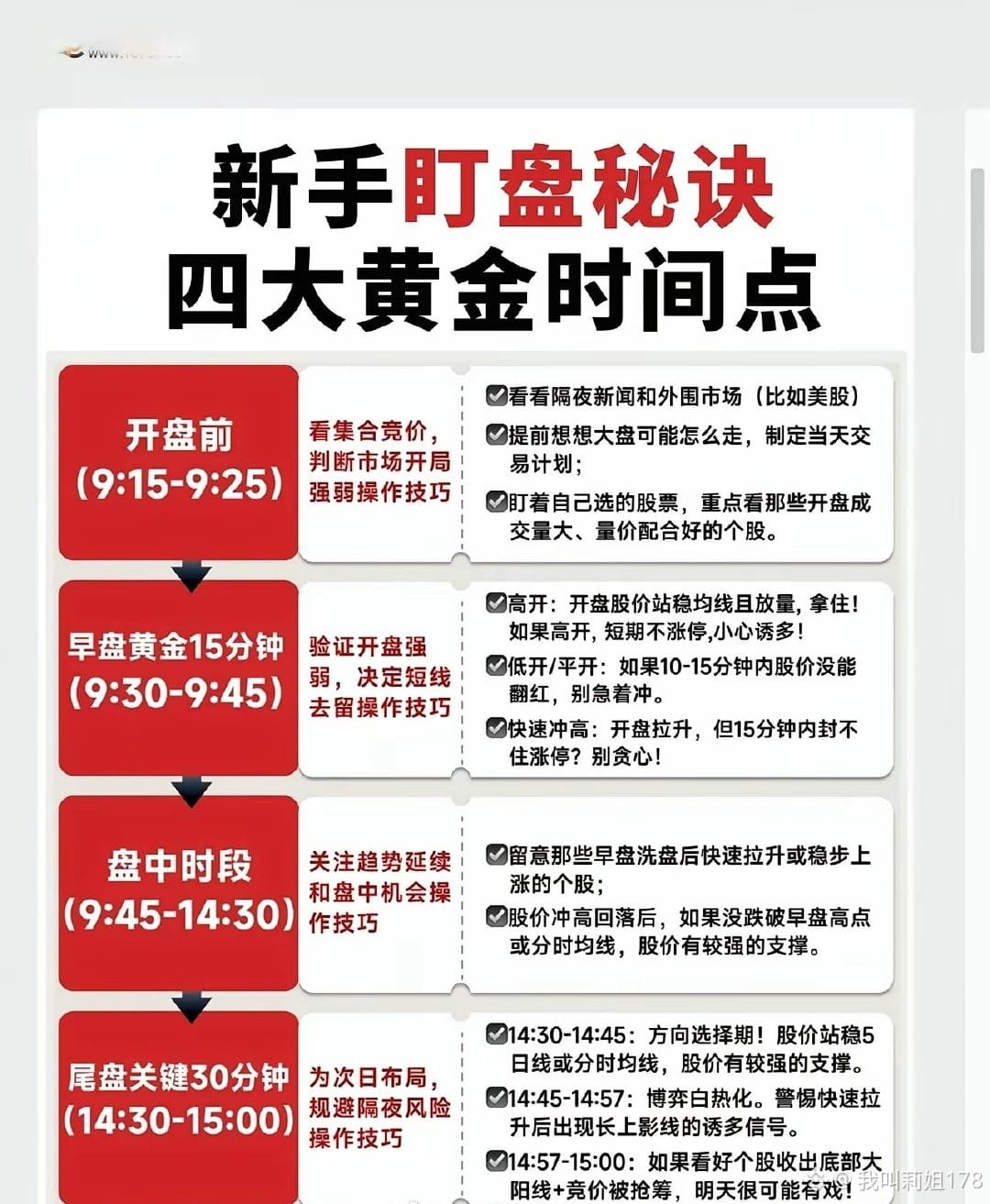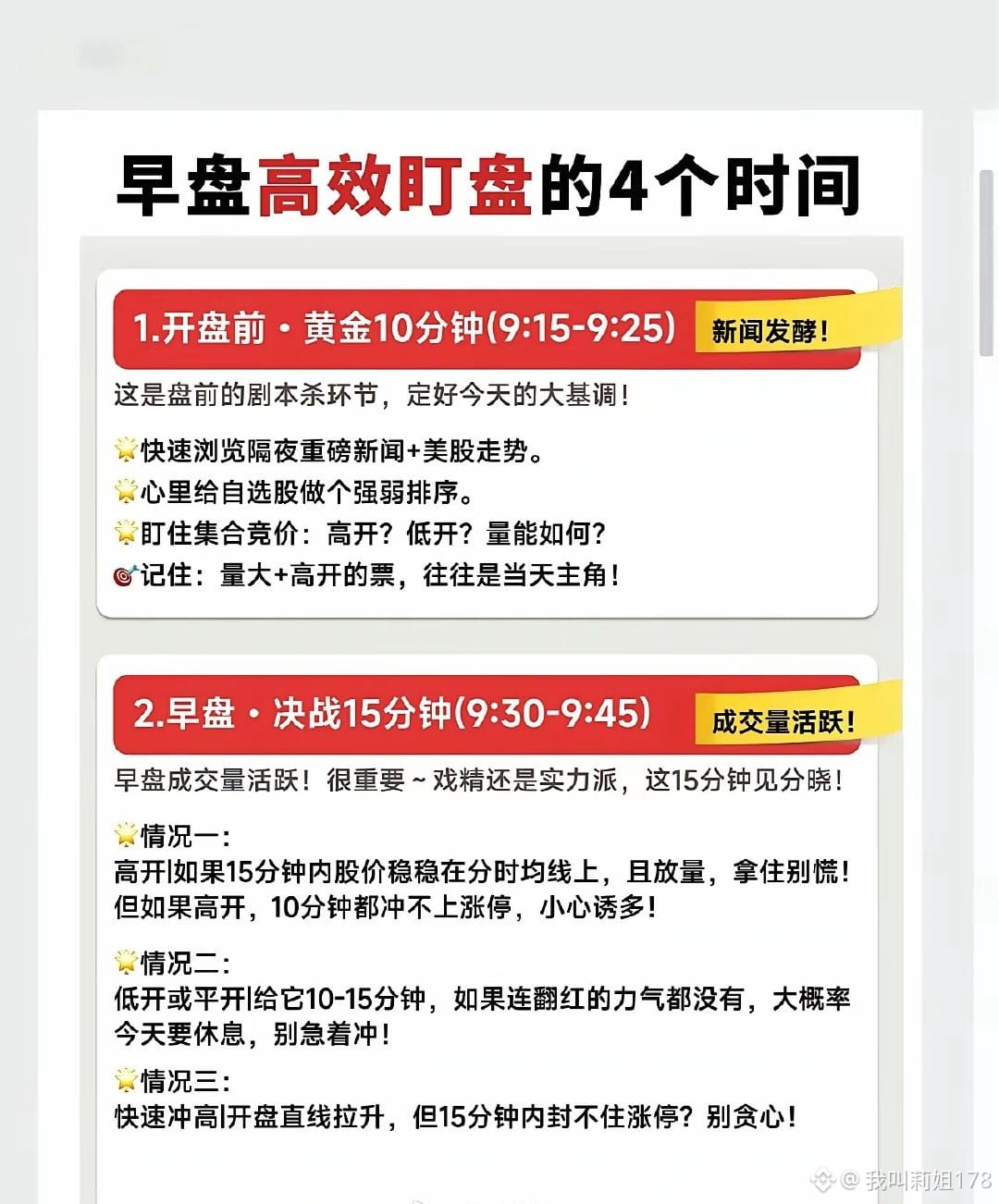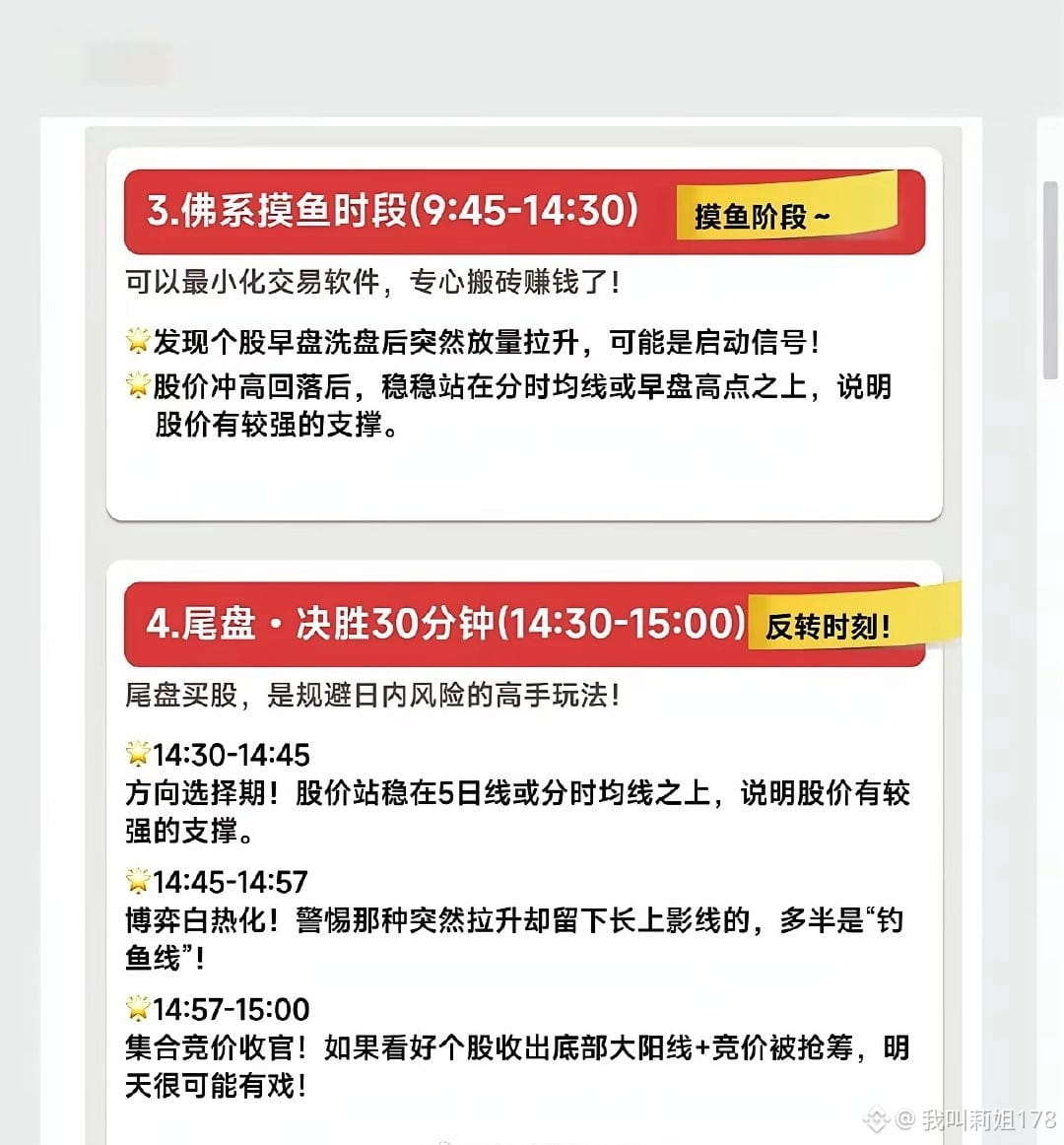
In A-share trading, the pre-market auction is a crucial window into understanding the movements of major players! Many beginners, unable to decipher the nuances of the order book, often fall victim to the tactics of these major players, such as inducing buying or selling. Today, we'll use three practical charts to thoroughly explain pre-market auction analysis techniques that even beginners can master, helping you quickly grasp the underlying logic of major player operations!
- Cancellable Order Phase: In the early stages of the pre-market auction, major players often create illusions by placing fake orders, such as suddenly placing a large buy order ("Sudden 8" in the chart), and then quickly canceling it ("Cancelling Buy Order," "Cut Order at the Right Time"). These tactics are often used to lure in buyers; do not blindly follow them.
- Non-Cancellable Order Phase: After entering this period, orders have actual execution effect. At this time, buy and sell orders better reflect the true movement of funds, and the deceptive behavior of major players is significantly reduced.
1. **Bear Trap:** If there's a situation of "sell pressure without actual sell orders" (marked "Bear Trap" in the image), it's often a deliberate attempt by major players to create panic selling and shake out weak hands. While the market appears weak, there's a high probability of funds entering the market to buy later.
2. **Bull Trap:** Slowly placing orders and then abruptly canceling them, leaving only fake buy orders on the order book with no real funds following, is a typical tactic used by major players to attract retail investors. Avoid these situations immediately.
- **Valid Signal:** A "vacuum" state (no excess selling pressure) appears during the pre-market session, and buy orders show a continuous upward trend. This signal reflects genuine bullish sentiment and a high probability of subsequent price increases.
- **Invalid Signal:** Repeated selling pressure without actual transactions, or frequent order book changes, these false "bear trap" or "shakeout" signals may seem like trading opportunities, but they actually conceal the risk of being trapped.
1. **Washout Phase:** Major players create panic in the market by using tactics like "timed order cancellations" and "inducing short selling," thus clearing out retail investors' holdings.
2. **Accumulation Phase:** After the period when orders cannot be cancelled, genuine buy orders begin to enter the market, resulting in a clear "accumulation" trend.
3. **Rally Phase:** Continuous capital inflows drive the stock price higher, making rally signals at this stage more relevant for practical trading.
**Risk Warning:** This article is for informational purposes only and does not target any specific market instrument, nor does it constitute any investment advice. Investing in the stock market involves trading risks; investment decisions should be made cautiously based on your own circumstances.