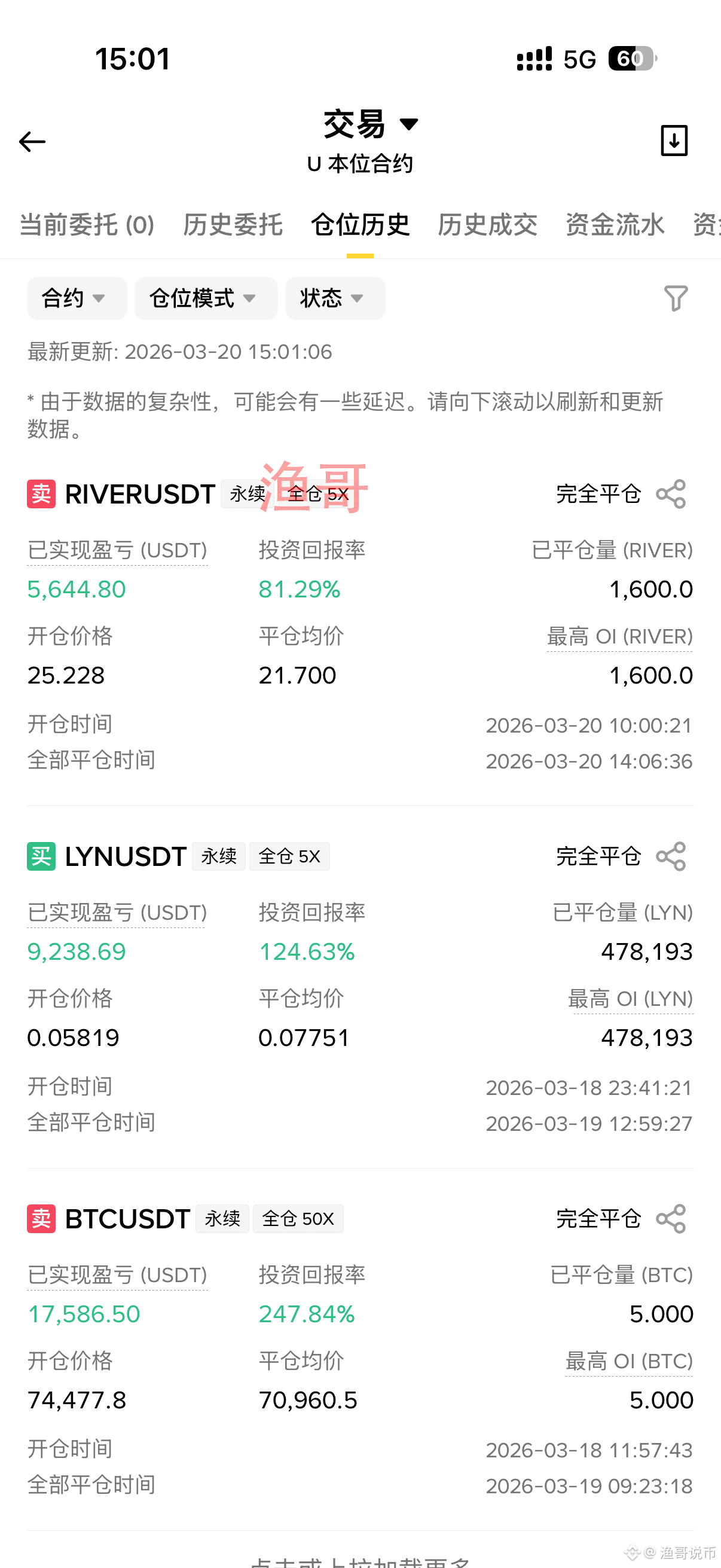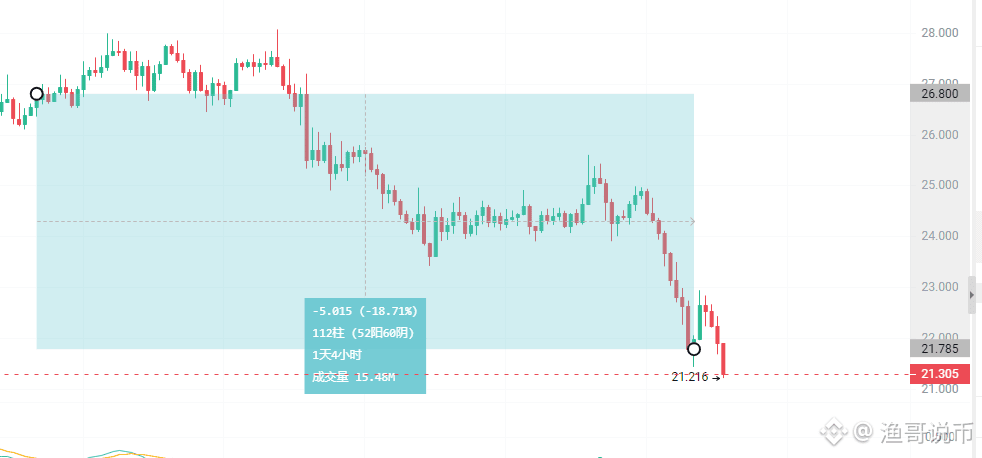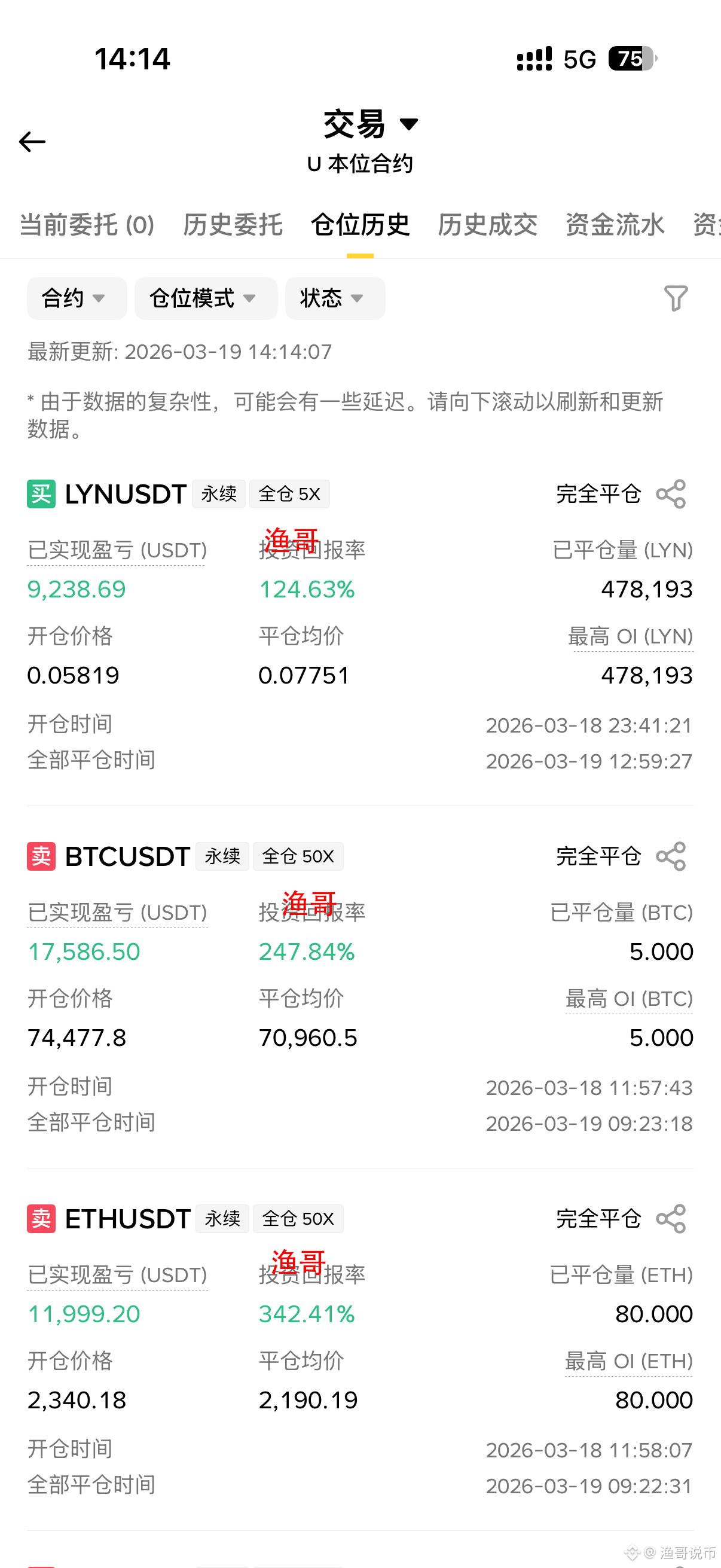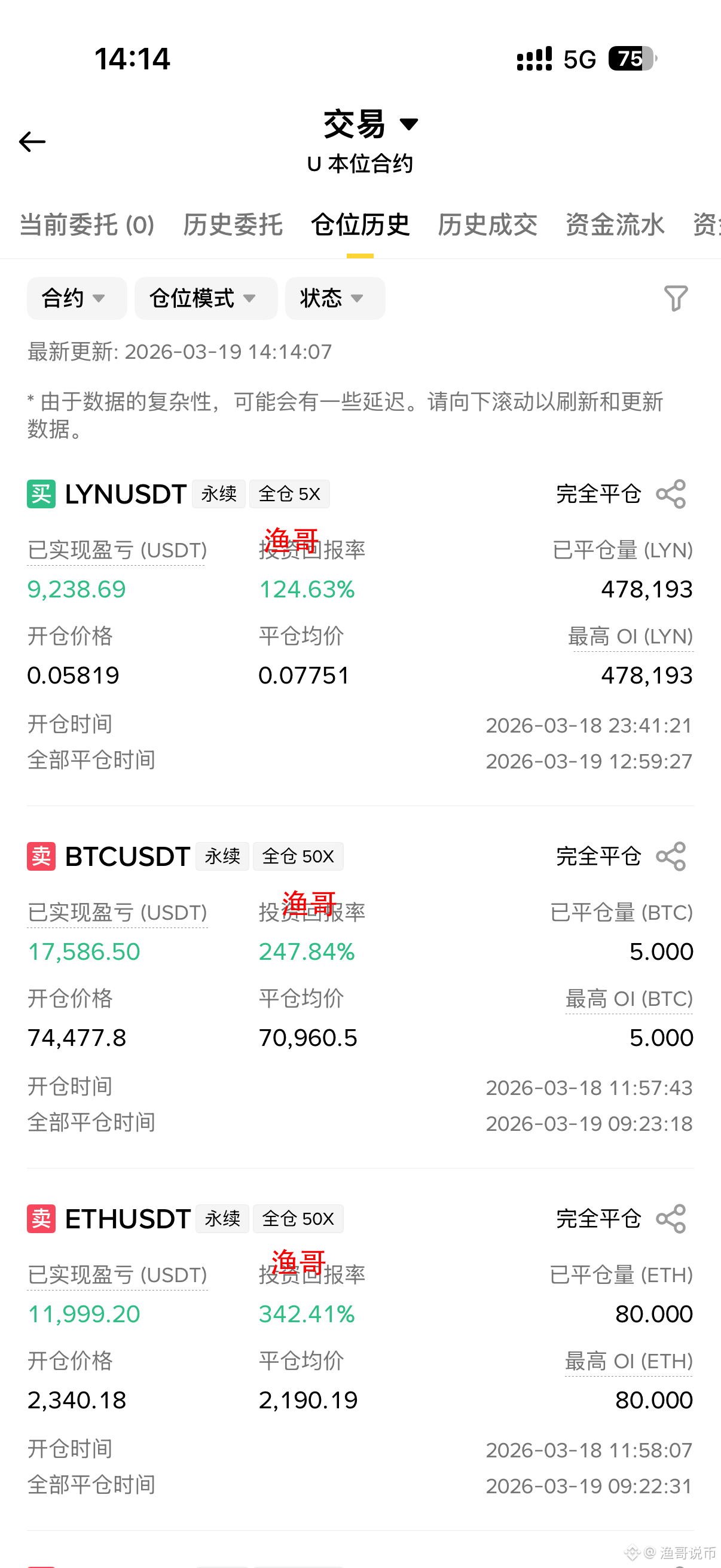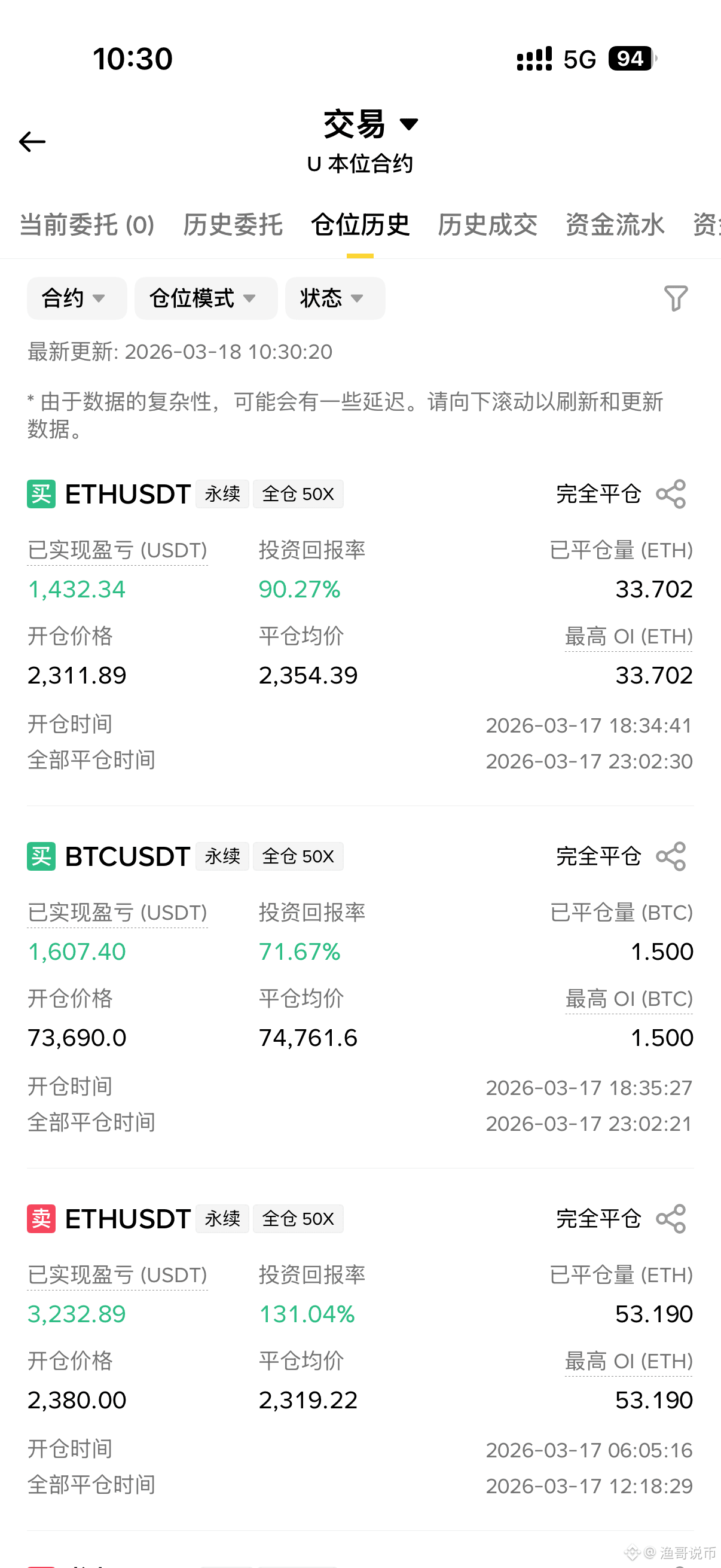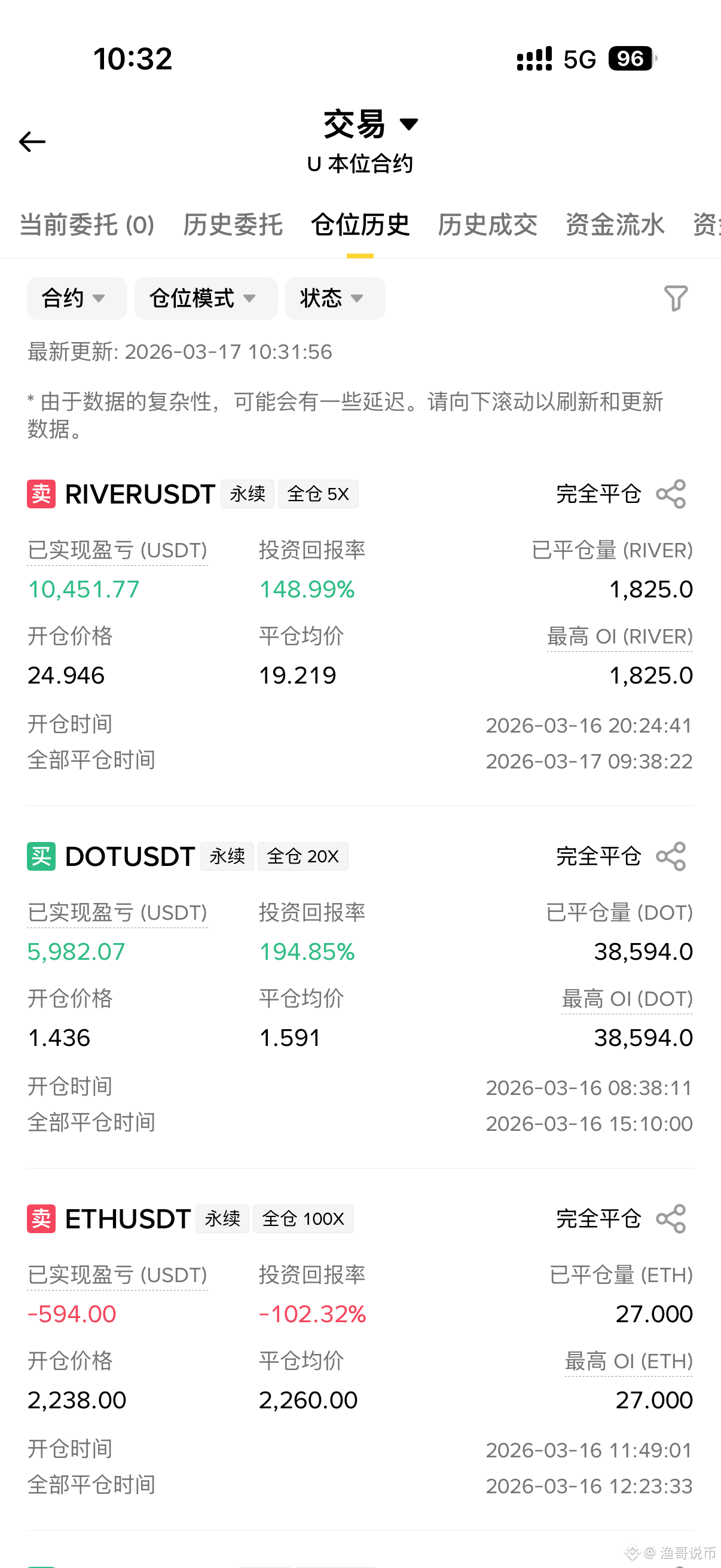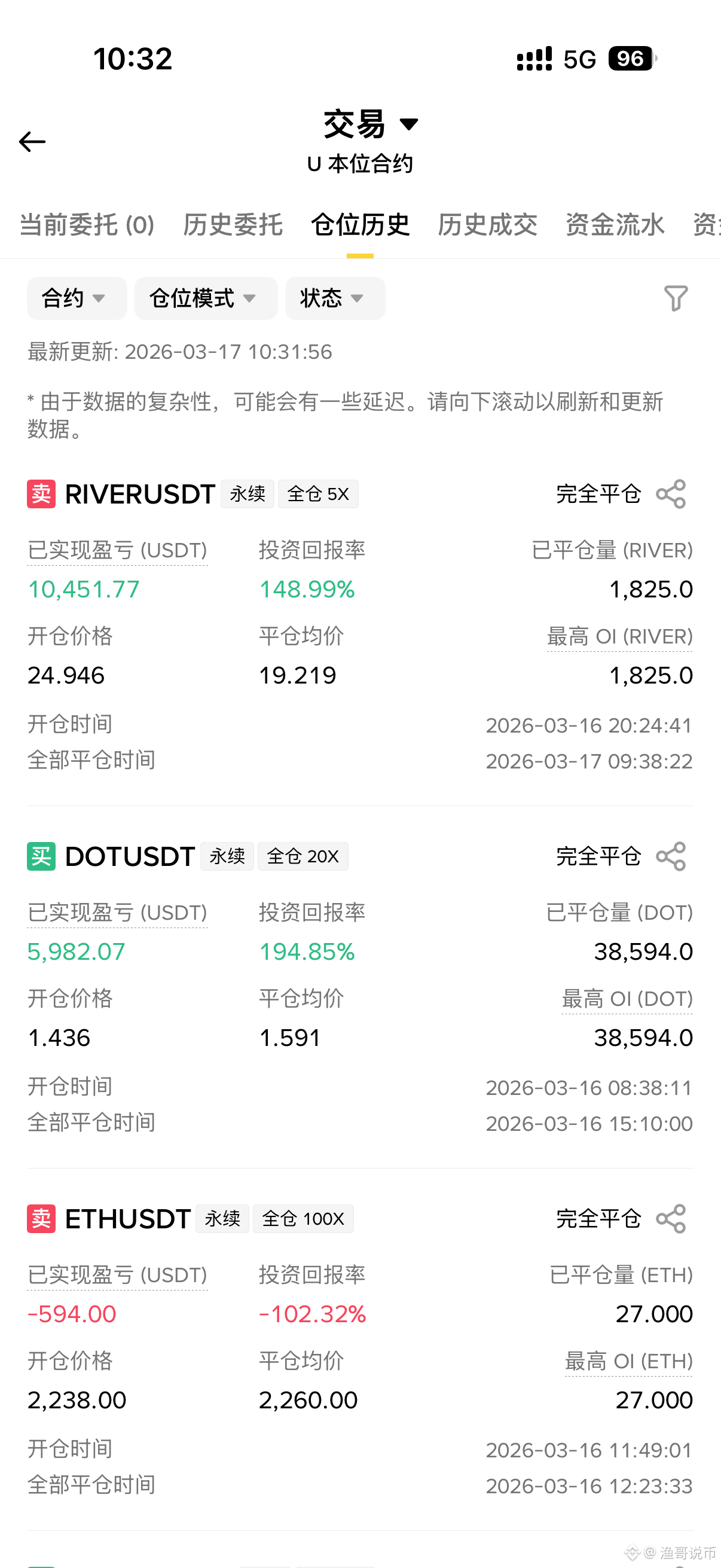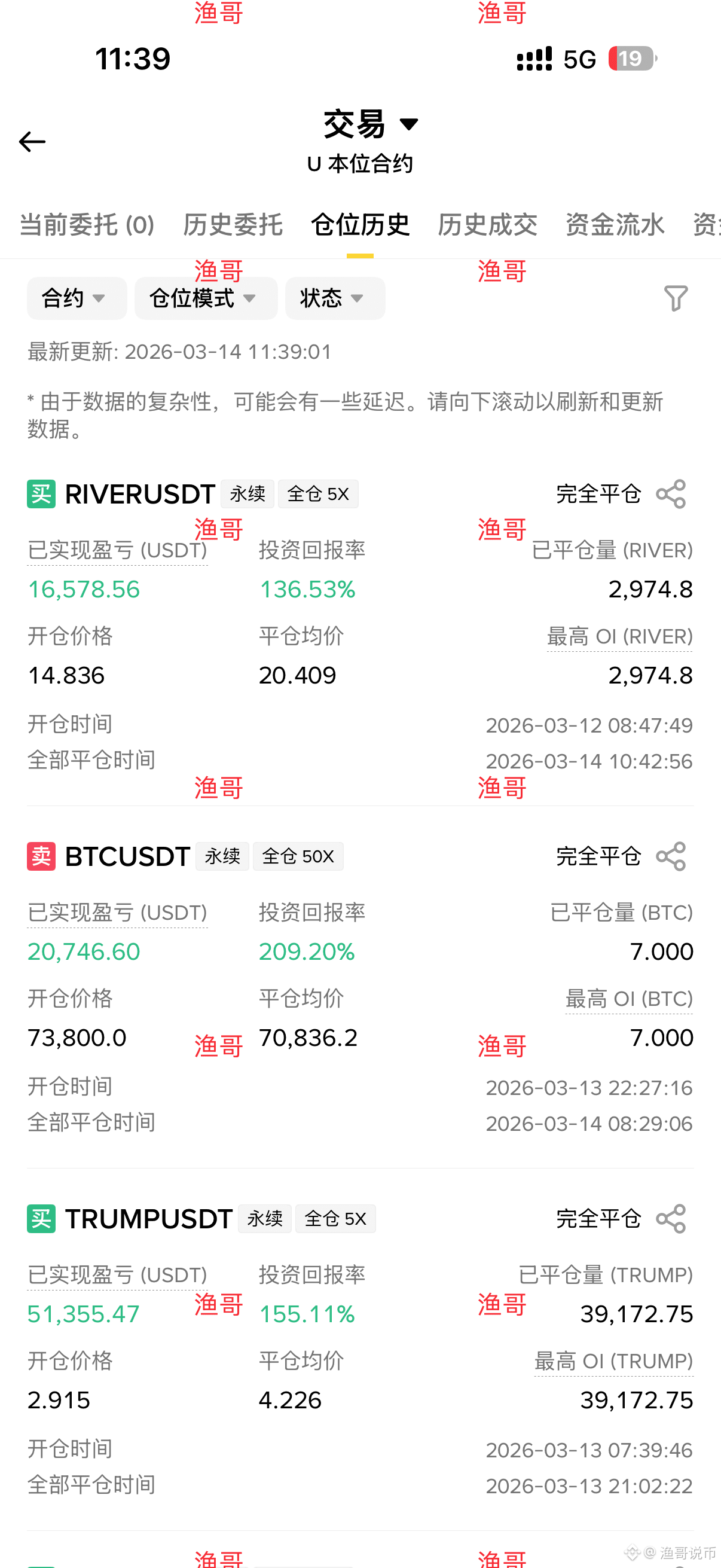
Having traded crypto for ten years, I've truly seen through some things.
Most people lose money in the crypto world, not because the market is bad,
but because they act recklessly and ruin themselves.
I was like that at first.
Seeing others double their money made me anxious,
always feeling like I was a step behind and missing an opportunity.
The result was—chasing highs and selling lows, my account dwindling.
Later I realized one thing: For small capital to survive, it's not about speed, it's about waiting.
You don't need to trade every day of the year;
catching two or three major upward waves and profiting from them is enough.
Many people make simple mistakes:
Going all-in recklessly
rushing in at the first sign of news
Frankly, this isn't trading, it's gambling.
Another classic pitfall: rushing in as soon as good news comes out.
But the market works like this: Expectations precede action
Good news being priced in is when the market crashes
By the time you see the news,
it's basically too late.
Another crucial point: timing.
When the market moves slowly, it wears you down,
but once it starts to fall, it accelerates immediately.
So you'll find that—
you're afraid to buy the dip when you should,
you're still waiting when you should sell,
and end up getting burned on both ends.
I've fallen into this trap myself.
I used to not reduce my positions during holidays, thinking I could withstand the losses.
But a big drop wiped out months of profits.
The market doesn't tolerate anyone.
My current approach is actually very simple:
Mid-term: Keep cash, trade in waves
Sell on rallies, buy on dips
Short-term: Only trade coins with volume
Watch the 15-minute chart, quick in and quick out
Don't trade market conditions you don't understand.
Ultimately, trading isn't about being smart,
it's about execution.
Whether you make money or not,
it's already written in your habits.
Stop dreaming of getting rich overnight,
Learn to stay calm first, then talk about making money.
I also started from haphazard trading,
and now this rhythm works, I use it consistently.
I've already lit the light,
Will you follow? @0Zeng4fan

Price Converter

- Crypto
- Fiat

USDUnited States Dollar


CNYChinese Yuan

JPYJapanese Yen

HKDHong Kong Dollar

THBThai Baht

GBPBritish Pound

EUREuro

AUDAustralian Dollar

TWDNew Taiwan Dollar

KRWSouth Korean Won

PHPPhilippine Peso

AEDUAE Dirham

CADCanadian Dollar

MYRMalaysian Ringgit

MOPMacanese Pataca

NZDNew Zealand Dollar

CHFSwiss Franc

CZKCzech Koruna

DKKDanish Krone

IDRIndonesian Rupiah

LKRSri Lankan Rupee

NOKNorwegian Krone

QARQatari Riyal

RUBRussian Ruble

SGDSingapore Dollar

SEKSwedish Krona

VNDVietnamese Dong

ZARSouth African Rand
No more data