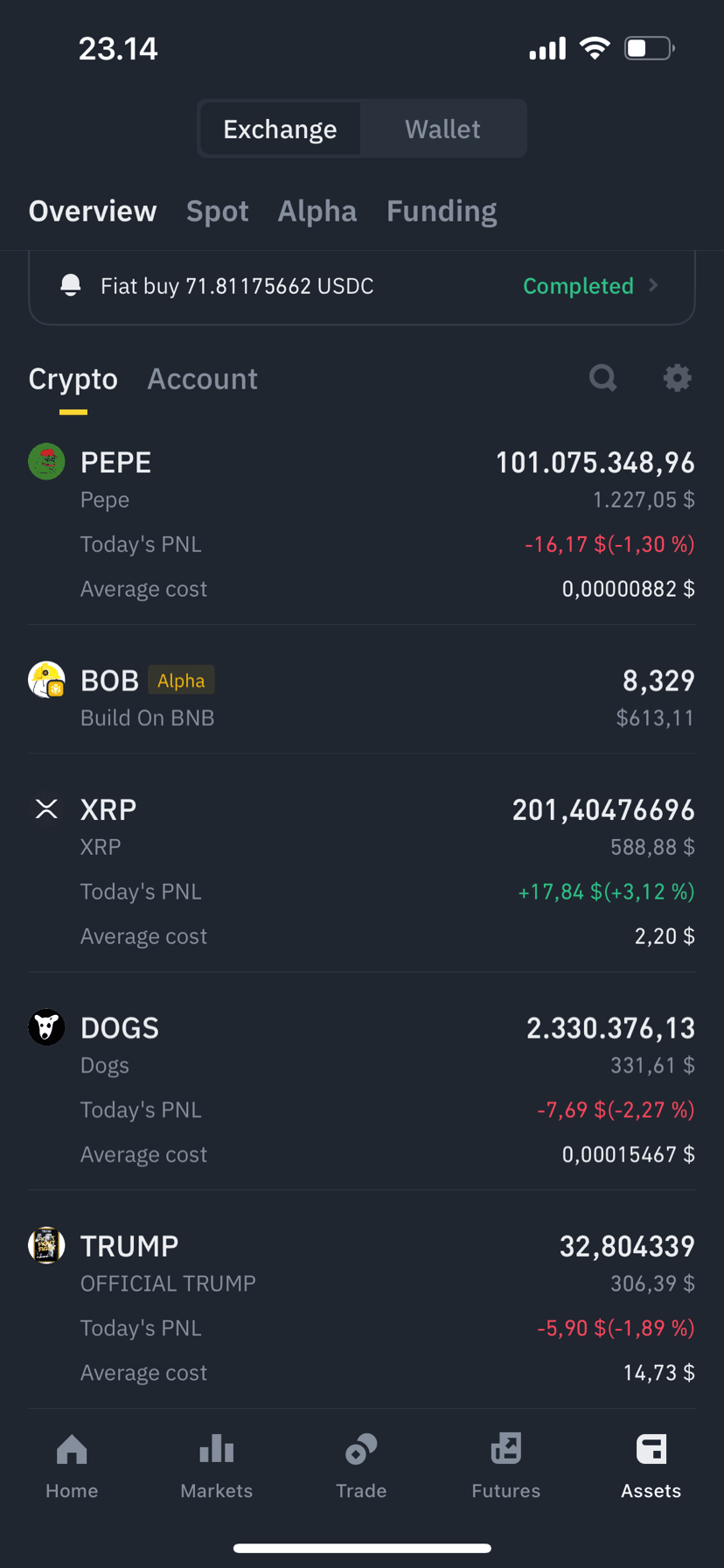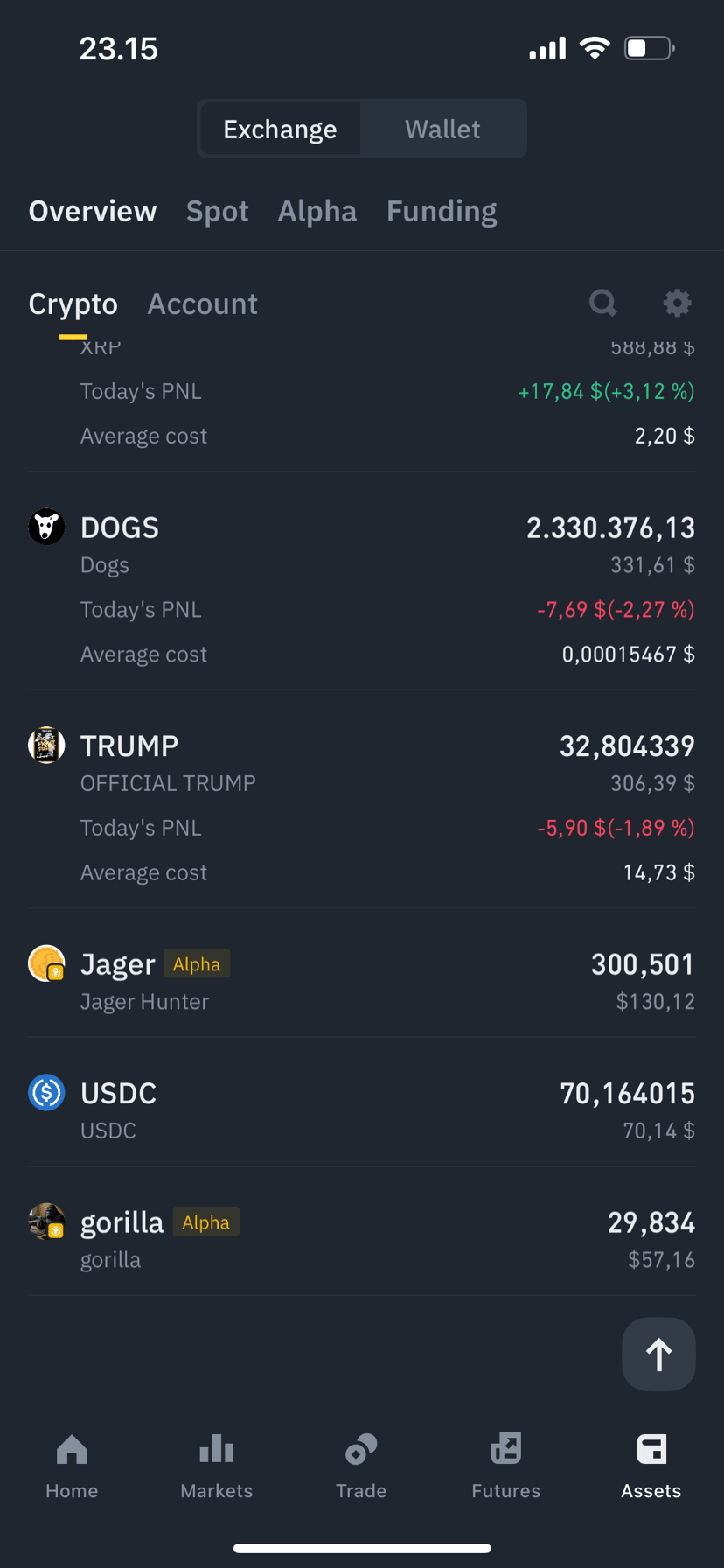
Sunwukong DEX's approach emphasizes the repeatability of trading paths: enabling users to complete real-world trading actions using the same set of steps daily and receive sufficiently clear feedback. The biggest fear for trading products isn't the lack of promotions, but rather users not returning after the promotion ends, due to inefficient processes, unstable experiences, and unclear rules. Conversely, if you can standardize a trade, users will be more willing to participate continuously, and liquidity and depth will be more easily built up through high-frequency use.
For participants, a more stable strategy isn't about impulsive decisions, but about maintaining a steady pace: participating with a sustainable frequency, managing expectations with clearer rules, and managing risk with more restrained position sizing. Treating each trade as "repeated training" will help you develop intuition about slippage, depth, and execution results more quickly; the stronger the intuition, the lower the decision-making cost, and the less easily execution is swayed by volatility. If the trading experience can be consistently reused, the platform will achieve healthier turnover, and users can transform participation from an emotional impulse into a habit.
@JustinSun #TRONEcoStar @sunwukong_DEX

Price Converter

- Crypto
- Fiat

USDUnited States Dollar


CNYChinese Yuan

JPYJapanese Yen

HKDHong Kong Dollar

THBThai Baht

GBPBritish Pound

EUREuro

AUDAustralian Dollar

TWDNew Taiwan Dollar

KRWSouth Korean Won

PHPPhilippine Peso

AEDUAE Dirham

CADCanadian Dollar

MYRMalaysian Ringgit

MOPMacanese Pataca

NZDNew Zealand Dollar

CHFSwiss Franc

CZKCzech Koruna

DKKDanish Krone

IDRIndonesian Rupiah

LKRSri Lankan Rupee

NOKNorwegian Krone

QARQatari Riyal

RUBRussian Ruble

SGDSingapore Dollar

SEKSwedish Krona

VNDVietnamese Dong

ZARSouth African Rand
No more data