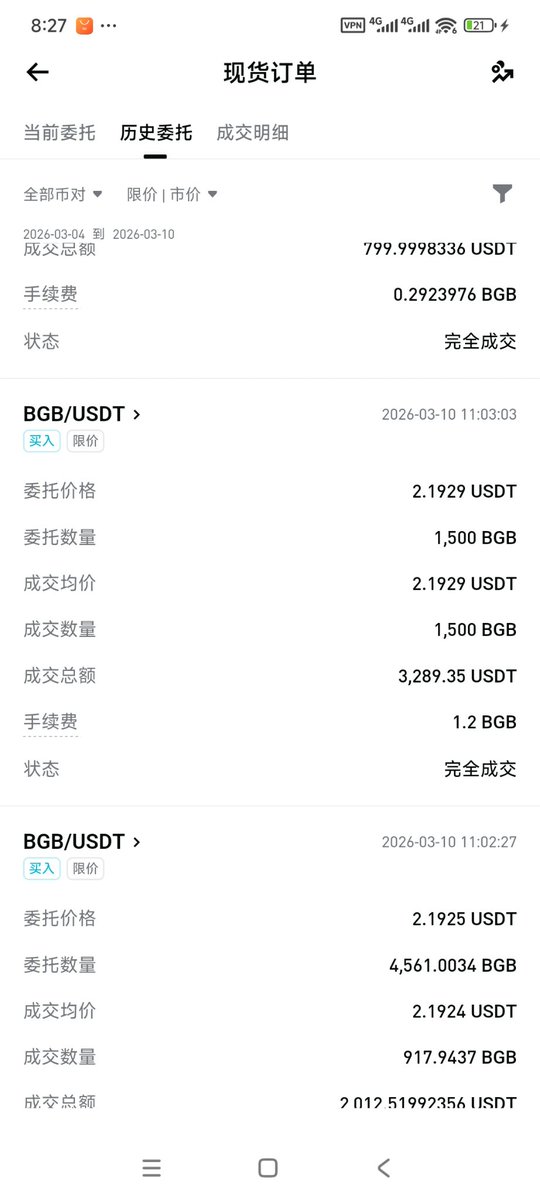
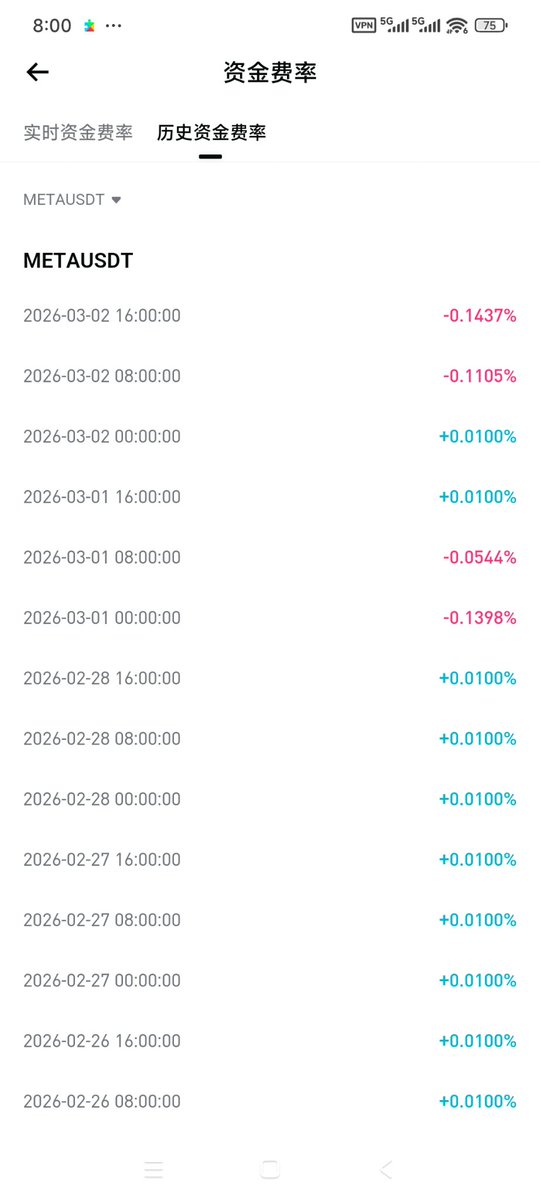
Sometimes, looking back at old trading records really makes me realize how fast time flies. Many platforms come and go, but some names remain.
Like @BitMart_zh, it's been 8 years in the blink of an eye. From the early days of playing ICOs with friends on the platform to its increasingly rich product offerings and growing ecosystem, many long-time users, like myself, have watched it grow steadily.
In the fast-paced cryptocurrency industry, surviving 8 years demonstrates more than just time; it represents strength and accumulation.
I hope to see more new products and new features in the future, and I wish more and more people can seize their opportunities here. Finally, Happy 8th Anniversary to BitMart!
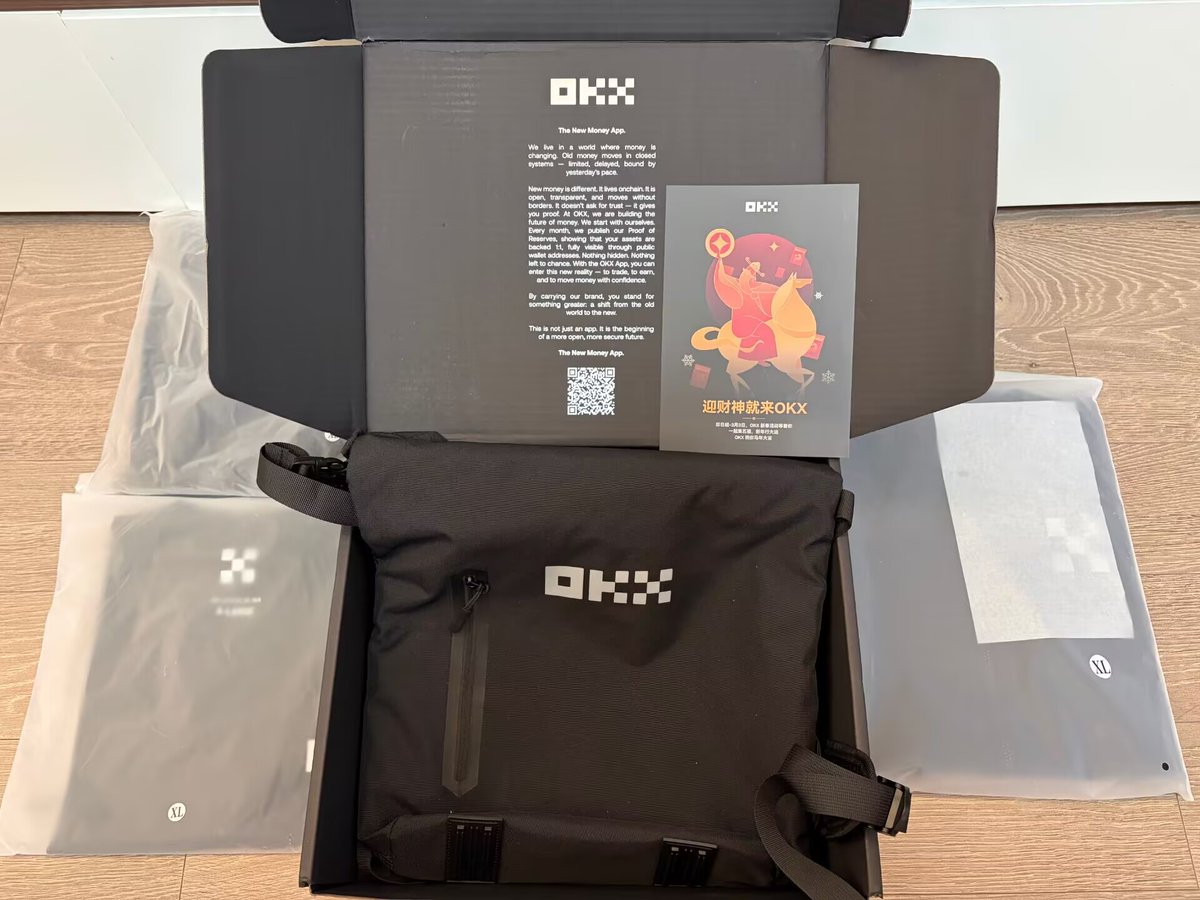
Thanks to BitMart for sponsoring and supporting us with a limited-edition 8th Anniversary commemorative gift set!
How to participate:
Follow: @BitMart_zh
Like + Comment: Happy Birthday BitMart
⏰Random draw
#BitMart8thAnniversary

Price Converter

- Crypto
- Fiat

USDUnited States Dollar


CNYChinese Yuan

JPYJapanese Yen

HKDHong Kong Dollar

THBThai Baht

GBPBritish Pound

EUREuro

AUDAustralian Dollar

TWDNew Taiwan Dollar

KRWSouth Korean Won

PHPPhilippine Peso

AEDUAE Dirham

CADCanadian Dollar

MYRMalaysian Ringgit

MOPMacanese Pataca

NZDNew Zealand Dollar

CHFSwiss Franc

CZKCzech Koruna

DKKDanish Krone

IDRIndonesian Rupiah

LKRSri Lankan Rupee

NOKNorwegian Krone

QARQatari Riyal

RUBRussian Ruble

SGDSingapore Dollar

SEKSwedish Krona

VNDVietnamese Dong

ZARSouth African Rand
No more data