🧵Filecoin 2026 Strategy
In short: Filecoin will officially launch in 2026.
Filecoin is strengthening on-chain paid transactions and refining its economic mechanisms to reward work that improves profitability, positioning itself as the platform of choice for verifiable AI, RWA, on-chain data, and data sovereignty.
1/ 2026 Focus
This year's focus is on on-chain paid usage.
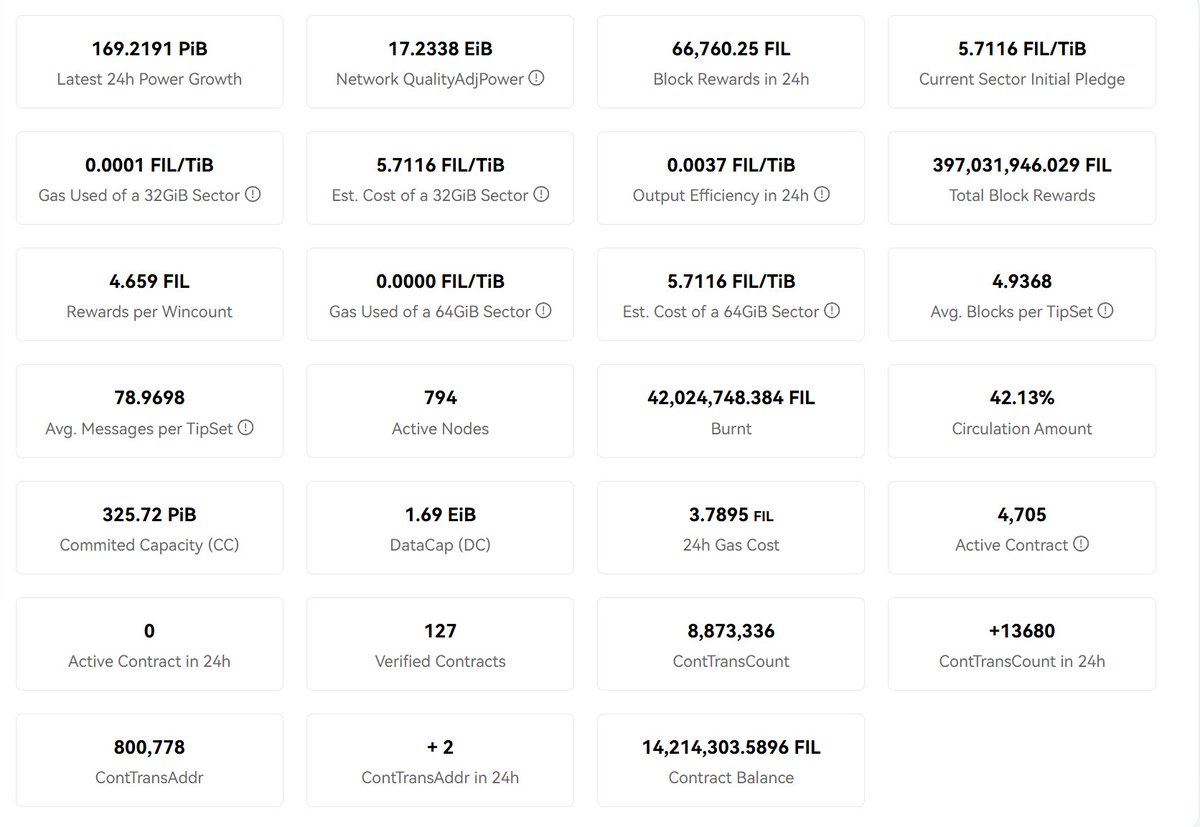
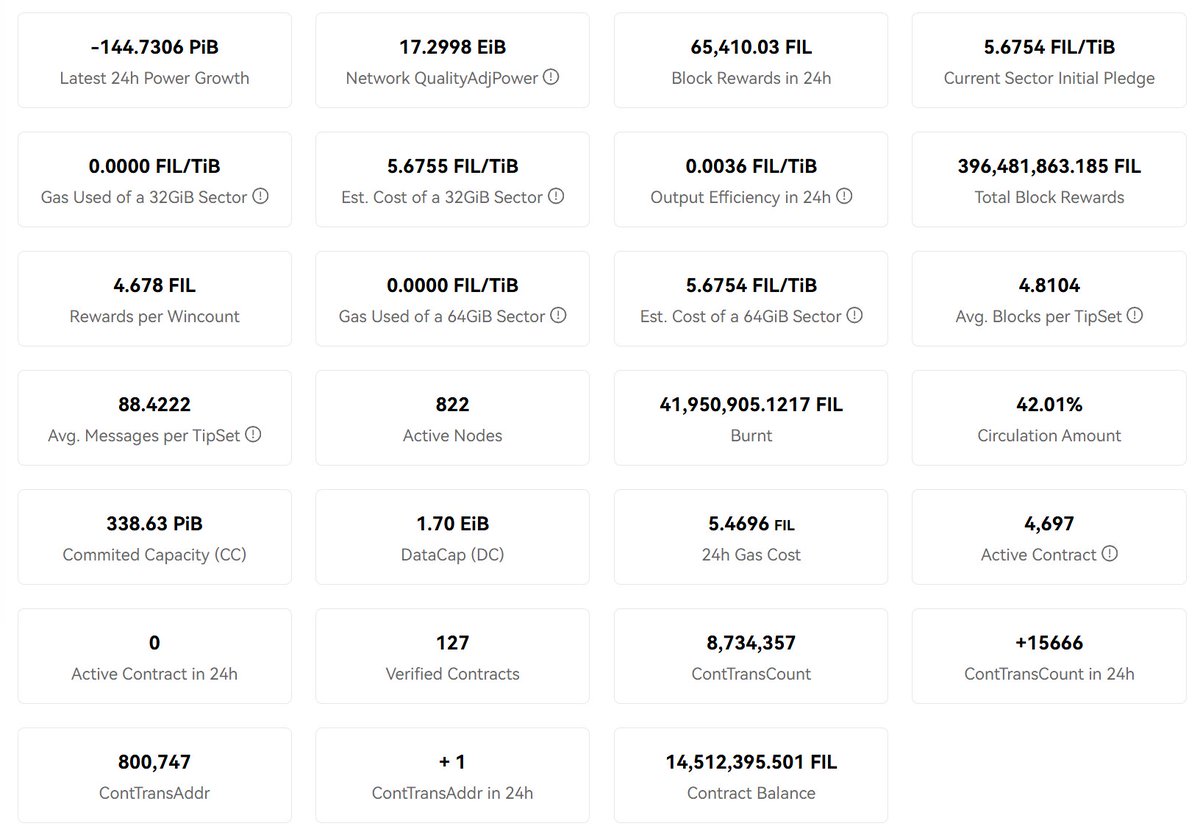
Currently, the Filecoin network has EB-level storage capacity, so the next phase will focus on paid transactions, a more robust economic mechanism, and on-chain recorded workloads.
2/ Three Goals
In 2026, Filecoin will focus on the following:
1. Driving more on-chain paid transactions.
2. Improving the cryptoeconomic model to increase profitability.
3. Attracting organizations that truly need verifiable storage.
3/ Data Storage Location
Filecoin is shifting from "available space" to "active applications."
The network prioritizes areas with the highest data density, such as AI infrastructure, DePIN, and RWA (Real-World Assets), to build a sustainable ecosystem.
4/ On-Chain Cloud
On-chain cloud is key to Filecoin's programmability.
It handles the network's "business" layer, managing stablecoin payments and automating verification, allowing developers to focus on application development rather than infrastructure.
5/ Open Commercial Applications
This year's focus is on lowering the barrier to entry.
Filecoin is rolling out reference toolkits and consoles, making Filecoin a natural extension of existing enterprise storage architectures, thereby converting potential customers into active users.
6/ Economic Transformation
Later this year, the final batch of initial lock-up periods will end, marking the beginning of a new chapter for the network.
Filecoin is using this opportunity to adjust its reward mechanism, shifting towards active paid use and high-value work.
7/ Scalable Verification
The network already stores data for important institutions such as the Internet Archive, the Smithsonian Institution, and MIT Open Learning.
Filecoin's 2026 goal is to attract more enterprise customers. They need the verifiability that only decentralized clouds can provide.
Read the full article: