It has to be Bitmine @BitMNR!! He sees the future! I'm increasingly drawn to Tom Lee's captivating gaze 😂! It would be an injustice if $BMNR didn't rise!
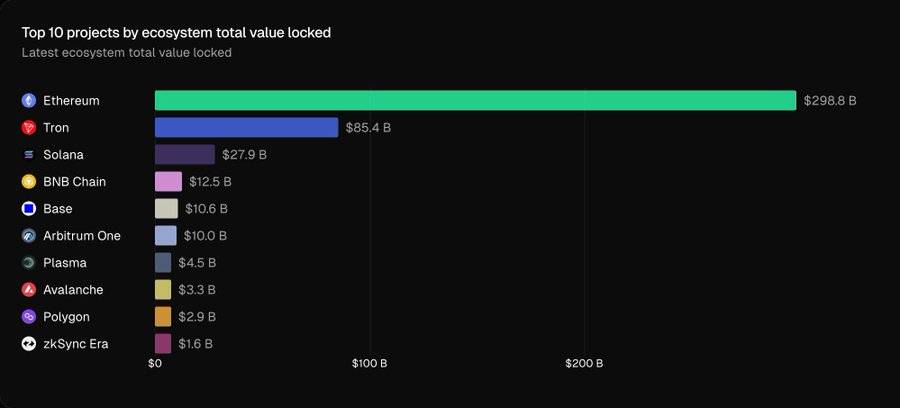
The Ethereum Foundation donated 5,000 $ETH to Bitmine. They're playing off-exchange to avoid me seeing a single thread! Currently, the Ethereum Foundation holds approximately 167,650 ETH, worth about $350-400 million. The market capitalization is around $25.2 billion ($252B), pitifully small! A few trillion+ would be more appropriate!
Tom Lee is currently extremely bullish and aggressive on ETH: he has accumulated over 4.5 million ETH (approximately 3.76% of the supply), targeting 5%, with total crypto and cash assets exceeding $10 billion.
He still firmly believes in his choice from 2014 to now. ETH is not just a belief now, but a macro story for the next 10-15 years, representing the future of finance, with ever-increasing application scenarios and perpetual staking in the ecosystem! The times are changing, and decentralization may not be far off; everything is a race against time! #eth

Price Converter

- Crypto
- Fiat

USDUnited States Dollar


CNYChinese Yuan

JPYJapanese Yen

HKDHong Kong Dollar

THBThai Baht

GBPBritish Pound

EUREuro

AUDAustralian Dollar

TWDNew Taiwan Dollar

KRWSouth Korean Won

PHPPhilippine Peso

AEDUAE Dirham

CADCanadian Dollar

MYRMalaysian Ringgit

MOPMacanese Pataca

NZDNew Zealand Dollar

CHFSwiss Franc

CZKCzech Koruna

DKKDanish Krone

IDRIndonesian Rupiah

LKRSri Lankan Rupee

NOKNorwegian Krone

QARQatari Riyal

RUBRussian Ruble

SGDSingapore Dollar

SEKSwedish Krona

VNDVietnamese Dong

ZARSouth African Rand
No more data