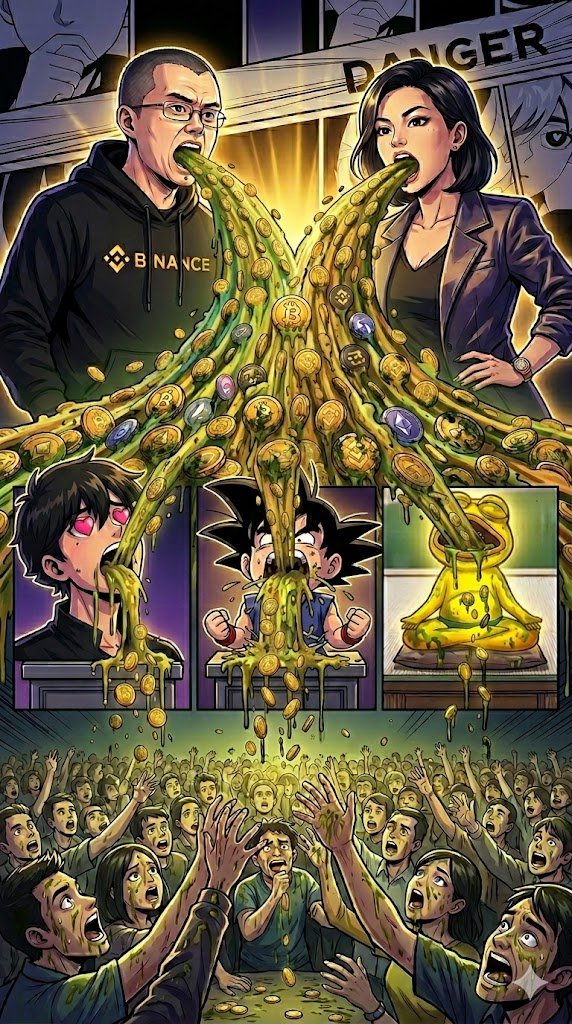
Binance, as a leading exchange, reflects the fragmentation within the industry by its inconsistent listing practices.
Overvalued VC coins are no longer well-received by the market. The prevailing sentiment is "If you're not bullish, you can short," and "Listing doesn't mean we recommend buying." However, Binance allows certain highly manipulated coins to be manipulated at will, with frequent surges followed by exorbitant fees to fleece short sellers, only to crash at any moment. Retail investors, facing information asymmetry in altcoin trading, will inevitably experience negative EV in the long run, regardless of whether they go long or short—either losing everything or quitting altogether.
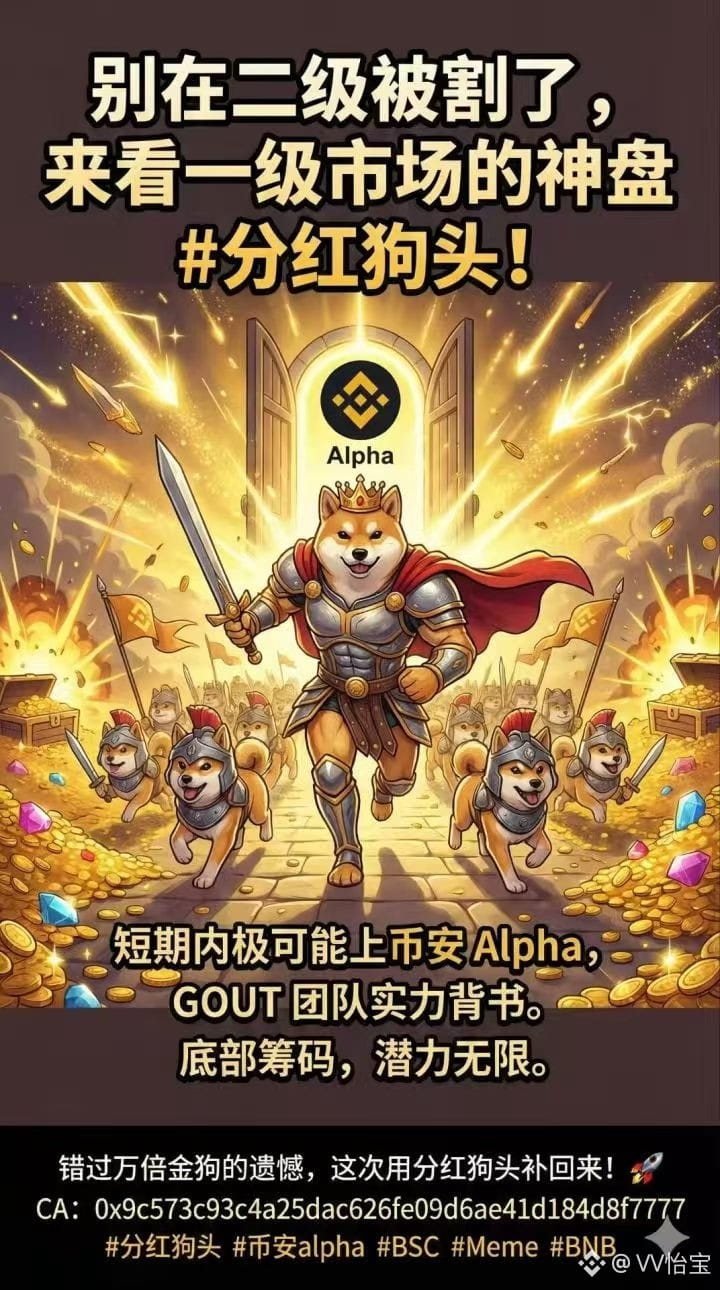
SOL and Base's memes haven't been listed for over a year. While this might be understandable from a business competition perspective if it were to support its own ecosystem (BSC), BSC hasn't exactly thrived in the past year. Some tokens have built strong communities but haven't received sufficient resources, naturally leading to a loss of community loyalty.
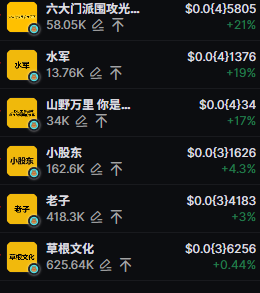
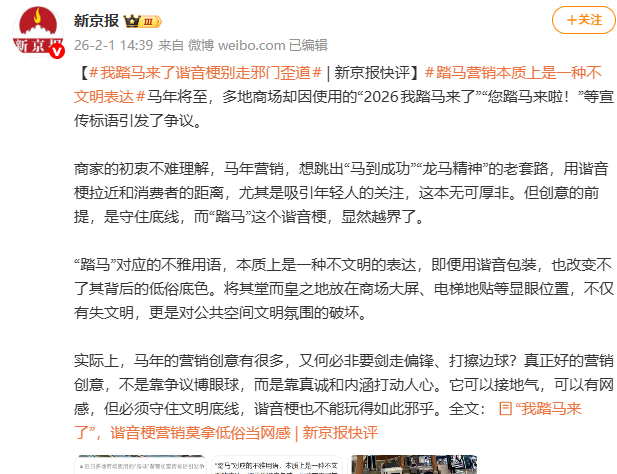
Despite CZ's repeated emphasis on not nitpicking her tweets, the second token to be listed on a Chinese contract was still a product of such nitpicking, and it too couldn't escape manipulation, suffering two single-day drops of 50%.
Of course, attributing the entire market downturn and industry winter to Binance is certainly biased. But sometimes one can't help but wonder: if Binance, as an industry leader, could truly support innovation and embrace diversity, would things be different?
Ultimately, it is the countless retail investors and developers within the ecosystem that constitute the industry's strong vitality. If they find it increasingly difficult to find fertile ground for growth, how can we expect the industry to experience its next spring?