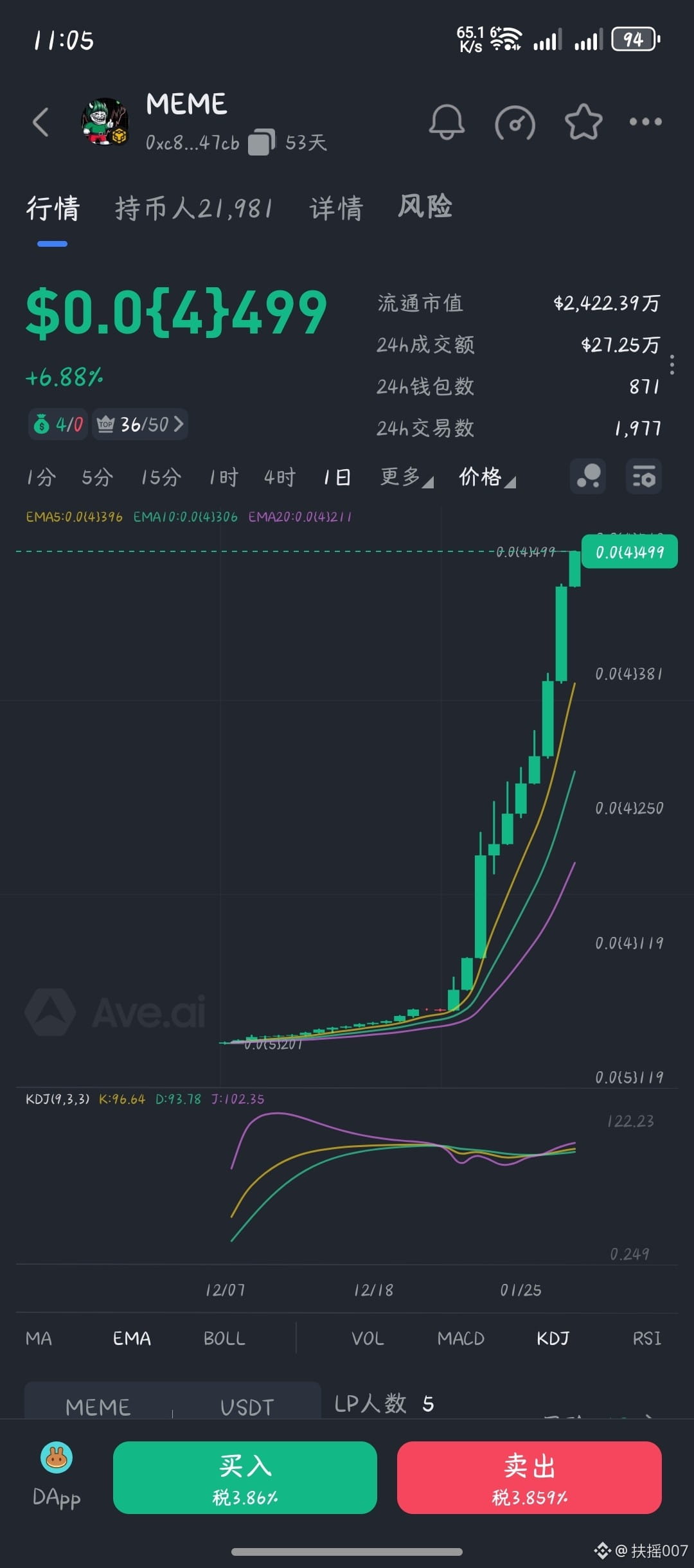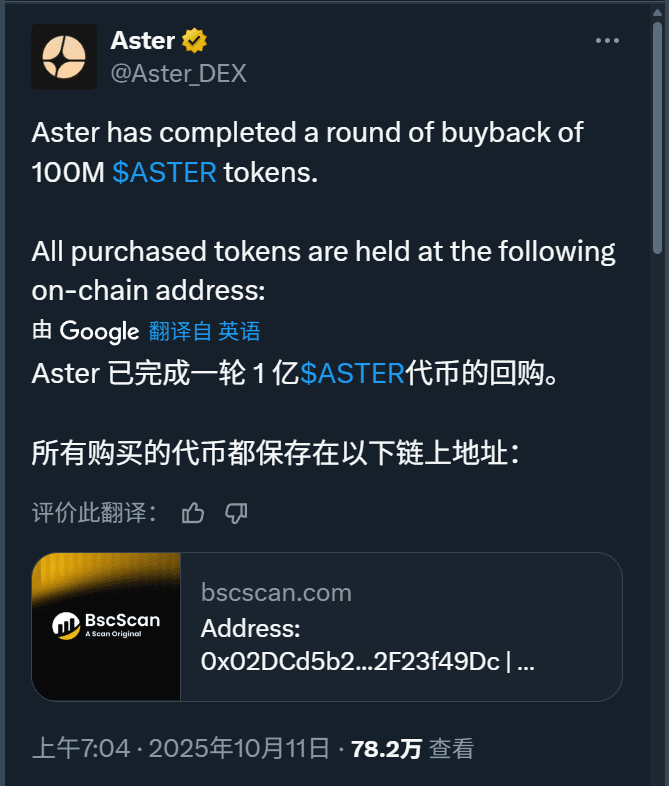
The hardest part of trading isn't "knowing how to buy and sell," but rather "being able to execute decisions quickly and consistently." Many strategy failures aren't due to incorrect judgments, but rather to execution being slowed down by friction: waiting for confirmation, repeated signatures, and hesitation caused by cost uncertainty, ultimately leading to missed opportunities. A good DEX should be as intuitive as a tool—clear enough information, short enough paths, and stable enough trading, allowing you to focus on position sizing and discipline.
When the trading experience stabilizes, the significance of a DEX extends beyond just an exchange gateway; it becomes the liquidity hub of the ecosystem: deeper pools bring more controllable slippage, more active trading leads to healthier pricing, and more combinable strategies make capital circulation more efficient. You'll gradually develop a kind of "muscle memory" for on-chain operations: adjustments are made directly when needed, and risk control is achieved by promptly returning to a more stable asset structure. Ultimately, those who remain are those who treat trading as an execution system.
@JustinSun #TronEcoStars @sunwukong_dex #DEXTradingVolume #Tron #liquidity

Price Converter

- Crypto
- Fiat

USDUnited States Dollar


CNYChinese Yuan

JPYJapanese Yen

HKDHong Kong Dollar

THBThai Baht

GBPBritish Pound

EUREuro

AUDAustralian Dollar

TWDNew Taiwan Dollar

KRWSouth Korean Won

PHPPhilippine Peso

AEDUAE Dirham

CADCanadian Dollar

MYRMalaysian Ringgit

MOPMacanese Pataca

NZDNew Zealand Dollar

CHFSwiss Franc

CZKCzech Koruna

DKKDanish Krone

IDRIndonesian Rupiah

LKRSri Lankan Rupee

NOKNorwegian Krone

QARQatari Riyal

RUBRussian Ruble

SGDSingapore Dollar

SEKSwedish Krona

VNDVietnamese Dong

ZARSouth African Rand
No more data