



















作者:AInvest
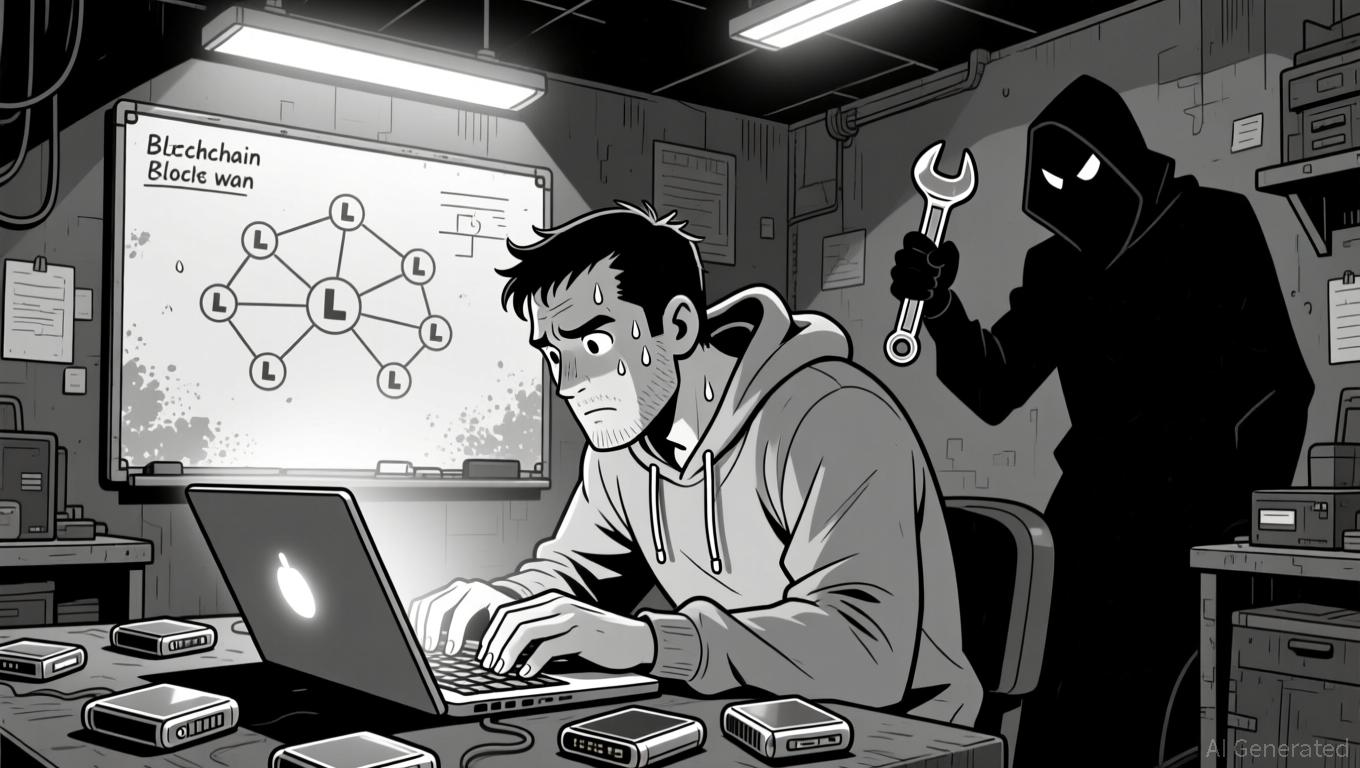
The cryptocurrency ecosystem is facing a paradigm shift in security threats. While digital hacks and exploits remain a concern, physical crypto crimes-ranging from "wrench attacks" to targeted kidnappings-are surging in frequency and severity.
, over $2.17 billion has been stolen from crypto services this year alone, surpassing the total for 2024. This includes the largest single incident in crypto history: North Korea-linked actors . Meanwhile, physical coercion attacks, such as , highlight a terrifying new frontier where digital wealth becomes a catalyst for real-world violence.The Escalating Threat Landscape
Physical crypto crimes are no longer isolated incidents. They are part of a calculated trend driven by Bitcoin's price volatility and the visibility of crypto wealth.
-where attackers use violence or coercion to extract private keys-have surged in 2025, with some experts predicting twice as many such incidents as the next highest year on record. For example, and forced to transfer $4,600 in crypto to attackers. These cases underscore a disturbing reality: as crypto assets grow in value, they become attractive targets for both digital and physical exploitation.The impact extends beyond individuals.
, illustrating how physical crimes can destabilize markets. Similarly, and the $44.2 million theft from CoinDCX in Q3 2025 reveal vulnerabilities in both centralized and decentralized platforms.Strategic Risk Management: Lessons from Institutional Practices
To mitigate these risks, investors must adopt a multi-layered approach to security.
to formal risk management frameworks (up from 54% in 2023), offering a blueprint. Key strategies include:Hardware Wallets and Custodial Solutions:
. By 2025, annual spending on crypto custodial solutions is projected to reach $16 billion, reflecting a shift toward institutional-grade security .
Institutions are prioritizing hardware wallets (e.g., Ledger, Trezor) for long-term storage, avoiding centralized exchanges where large sums are vulnerableAI-Driven Risk Assessment:
that could signal increased risk.
Sixty percent of institutions now integrate AI tools to monitor threats in real time,
Portfolio Diversification:
and for stability, 30% to narrative-driven assets, 15% to stablecoins, 10% to yield-generating assets, and 5% to high-risk plays . This diversification hedges against both market volatility and targeted attacks.
A 2025 risk-managed portfolio typically allocates 40% toInsurance and Counterparty Risk Mitigation:
, with $6.7 billion in policies issued in 2025-a 52% year-on-year increase. This coverage extends to counterparty risks, with 90% of institutions citing it as a top concern .
The Human Element: Protecting Against Coercion
Physical threats demand proactive personal security measures. Investors holding significant crypto assets should:
- Decentralize Storage: Split holdings across multiple hardware wallets and geographic locations.
- Avoid Public Displays of Wealth: High-profile individuals should minimize sharing crypto-related activities on social media.
- Engage Professional Security: For ultra-high-net-worth individuals, private security teams and encrypted communication tools are no longer optional.
Conclusion: A Call for Proactive Defense
The rise of physical crypto crime is a wake-up call for the industry. While technological solutions like hardware wallets and AI-driven monitoring are critical, they must be paired with human-centric strategies to address coercion and violence.
, nearly $1.93 billion was stolen in crypto-related crimes in the first half of 2025 alone. The time to act is now: investors must treat crypto security as a dynamic, evolving challenge-one that requires both digital resilience and physical preparedness.


No Comments