





















作者:XavierRaves
Introduction
As the blockchain and cryptocurrency industry flourishes, cybersecurity has become a focal point for exchanges and users alike. As one of the leading cryptocurrency exchanges in the United States, Kraken is renowned for its exceptional trading services and robust security measures. On May 1, 2025, Kraken published an article on its official blog titled "How We Identified a North Korean Hacker Attempting to Infiltrate Kraken," detailing an incident where a North Korean hacker posed as a job applicant in an attempt to breach its internal systems. This incident not only sparked widespread discussion within the industry but also underscored the complexity of cyber threats.
Background: North Korean Hackers' Long-Standing Battle with the Crypto Industry
The threat posed by North Korean hackers to the cryptocurrency industry is not new. According to statistics, in 2024, North Korean hackers stole over $650 million in assets from crypto companies, with notorious groups like Lazarus Group accused of orchestrating several high-profile attacks, including one that caused over $1.5 billion in losses to the Bybit exchange.
These hackers' tactics extend beyond exploiting technical vulnerabilities to include social engineering strategies. For instance, they often pose as IT professionals to apply for jobs at crypto companies, seeking access to internal systems. In a joint statement, the governments of the United States, Japan, and South Korea warned that North Korea has deployed a large number of "disguised workers" globally through such tactics, posing a severe challenge to industry security.
Kraken's Identification Process: A Methodical Investigation
Kraken's security team successfully identified and thwarted this North Korean hacker's infiltration attempt through intelligence gathering, behavioral analysis, and technical verification.
Kraken received intelligence from industry partners indicating that North Korean hackers had recently been applying for jobs at crypto companies, along with a list of email addresses suspected to be linked to hacker organizations. Alarmingly, one applicant's email address matched an entry on this list exactly. This discovery provided a critical clue for the subsequent investigation and highlighted the importance of industry collaboration in combating cyber threats.
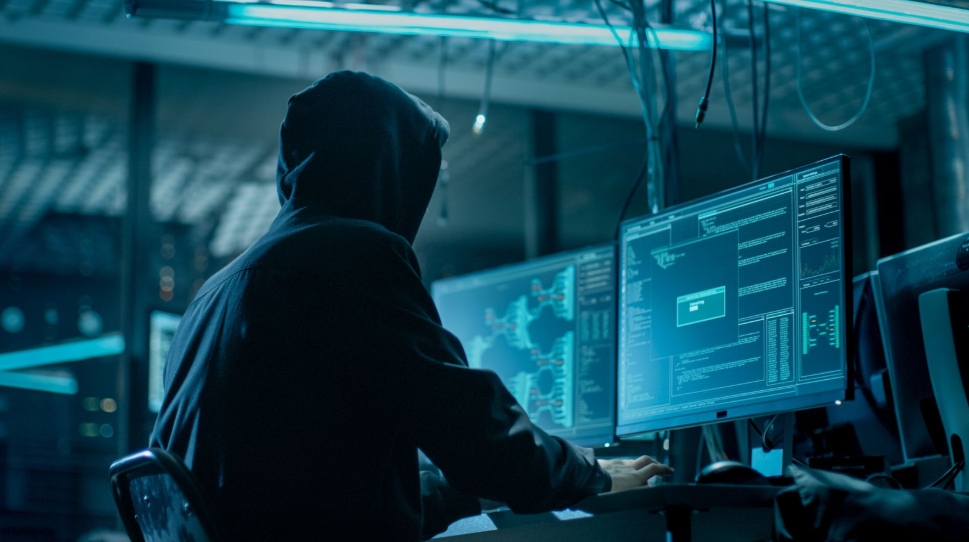
During the initial interview, the applicant exhibited several suspicious behaviors. First, the name they used did not match the one on their resume, and they quickly changed their display name during the call. Even more concerning, the applicant's voice changed intermittently during the interview, suggesting they might have been receiving real-time guidance off-screen. These behavioral anomalies were reported by media outlets (such as Cointelegraph) as critical "red flags," raising Kraken's vigilance.
Kraken's Red Team promptly launched an in-depth investigation, analyzing data breach records and discovering that the applicant's email was linked to an extensive network of fake identities. This network included multiple aliases, some of which had been hired by other companies, and one identity was even listed on a "foreign agent sanctions list." This suggested that the hacker might be using multiple identities to infiltrate the crypto and other industries broadly.
Further technical investigations uncovered additional discrepancies. The applicant accessed a remote Mac desktop via a virtual private network (VPN), a setup commonly used to conceal real locations and network activities. Additionally, the email associated with the applicant’s GitHub account had been exposed in previous data breaches. Moreover, the primary identification document provided by the applicant appeared to have been tampered with, possibly stolen from an identity theft case two years prior.
These technical inconsistencies further confirmed the applicant's suspicious identity.
Instead of immediately rejecting the applicant, Kraken advanced them through the hiring process, using multiple rounds of technical tests and verification tasks to gather more intelligence. This "strategic retreat" approach not only protected Kraken's systems but also provided valuable counterintelligence for the industry.
In the final, seemingly casual "chemistry interview," Kraken's Chief Security Officer, Nick Percoco, and team members participated. They designed a series of verification steps requiring the applicant to:
• Verify their location;
• Present government-issued identification;
• Recommend local restaurants in the city they claimed to reside in.
These seemingly simple questions were carefully crafted traps. The applicant struggled to answer questions about their location or nationality convincingly and appeared flustered during basic verification tasks, ultimately exposing their fraudulent identity. Kraken confirmed that this was not a legitimate job applicant but a state-sponsored infiltrator.
The applicant completely faltered during these real-time verifications. They were unable to answer questions about their claimed city of residence or nationality fluently and appeared visibly rattled during basic tests. Ultimately, Kraken confirmed that this was not a legitimate applicant but a state-sponsored impostor attempting to infiltrate its systems.
Chief Security Officer's Insights
Commenting on the incident, Kraken's Chief Security Officer, Nick Percoco, stated: "Don't trust, verify. This core crypto principle is more relevant than ever in the digital age. State-sponsored attacks are not just a threat to the crypto industry or American businesses but a global challenge. Any individual or organization handling value is a potential target, and resilience begins with operational preparedness to counter such attacks."
Lessons for the Crypto Community
This incident highlights the evolving nature of cyber threats in the crypto industry. For users trading meme coins, Bitcoin, and Ethereum on exchanges, understanding hacker tactics can help better protect their assets.
1. New Risks in Hiring Processes
Hackers no longer rely solely on technical vulnerabilities but attempt to infiltrate organizations through "front-door" methods. Kraken's case demonstrates that hiring processes can become attack vectors, especially with the aid of generative AI, which enables hackers to forge resumes or pass technical assessments more easily. However, real-time,-dot-com and unpredictable verification tests remain effective tools for distinguishing genuine from fraudulent identities.
2. The Importance of Industry Collaboration
Kraken's ability to quickly identify the threat was inseparable from the intelligence provided by industry partners. The crypto community should enhance information sharing and establish databases, such as lists of hacker-associated emails, to address cross-organizational threats.
3. The Integration of AI and Blockchain
Kraken's use of AI to analyze data breach records showcases the potential of technology to enhance security. Similarly, the integration of AI and blockchain is creating new possibilities for the industry, such as improving risk prevention through data analytics.
Recommendations and Outlook
To address increasingly sophisticated cyber threats, the crypto community and traders should adopt the following measures:
• Strengthen Background Checks: Use open-source intelligence and data breach analysis to identify fake identities.
• Dynamic Verification Mechanisms: Introduce random, real-time verification questions in hiring or other interactions to avoid predictability.
• Technology Empowerment: Leverage AI and blockchain technologies to enhance security and operational efficiency.
• Heighten Security Awareness: Users should choose platforms with robust, multi-layered security mechanisms to ensure asset safety.
Conclusion
Kraken's successful identification of a North Korean hacker's job application infiltration attempt underscores its exceptional security capabilities while sounding a warning for the crypto industry. Through intelligence collaboration, behavioral analysis, and strategic verification, Kraken not only neutralized the threat but also provided valuable lessons for the community. This incident serves as a reminder that staying vigilant and collaborative is crucial in the face of escalating cyber threats.

No Comments